
24/7 Emergency Line Open
Water Softener and Filtration in Waddell, AZ: Hard Water, Scale and Drinking Water Systems
A common belief says a softener fixes every water complaint. It does not. A softener swaps hardness minerals for sodium, and it does nothing for chlorine taste, sediment or the odor some households notice. Filtration handles those, and a plumber serving your area can tell you which problem you actually have.
Water treatment work includes repairing and replacing softeners, installing drinking-water filters and reverse osmosis, and fitting whole-house filters. Each of those is a plumbing job, because each one is cut into the supply line and ends at a drain.
- Licensed and insured plumbers
- Same-day service when available
- 24/7 emergency dispatch
Under-sink drinking water filter and sediment filter installation
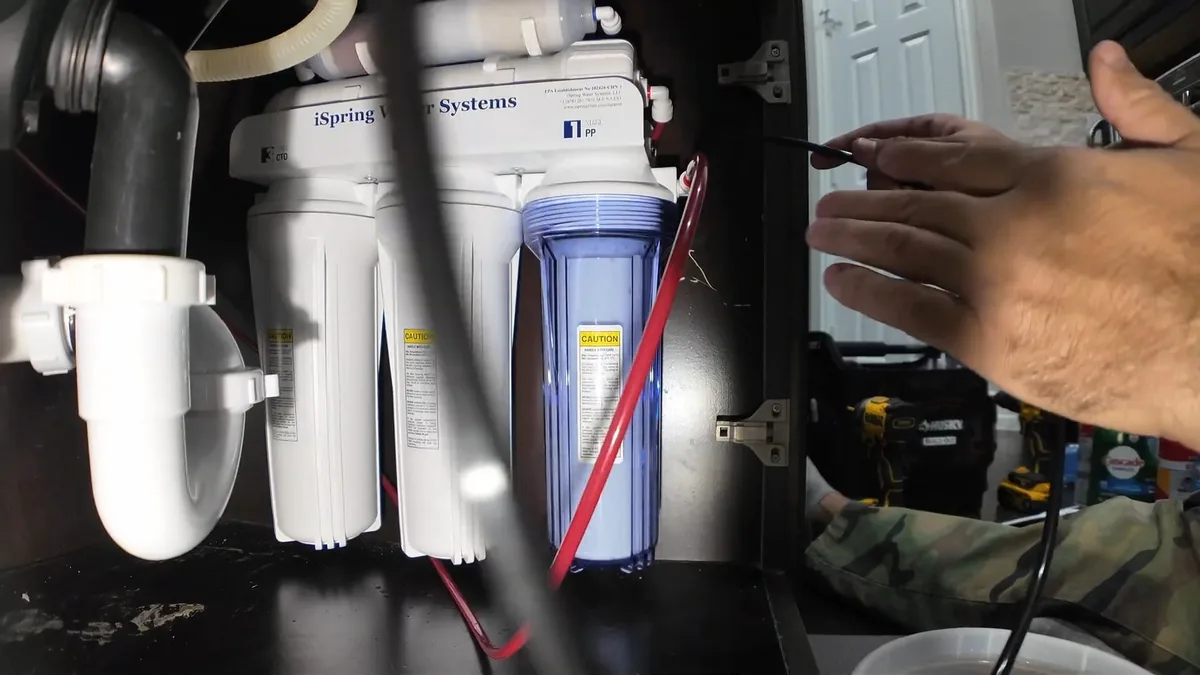
An under-sink filter treats only the water that leaves one tap, usually the kitchen faucet. It sits in the cabinet, tees off the cold supply and feeds a small dedicated faucet or the main one. This is the simplest treatment upgrade, and it suits households whose main complaint is the taste of drinking water.
Sediment filters catch grit and particles before they reach appliances. They are a pleated or wound cartridge in a clear housing, and the cartridge clogs over time. A cartridge that is overdue shows up as weak flow at the tap it feeds, so a change schedule matters as much as the first installation.
A plumber also checks the cabinet for room. Filter housings need clearance below them to unscrew the canister, and a garbage disposal or a tight trap can crowd the space. Mounting height and the location of the shutoff valve are settled before anything is cut.
Water softener repair and service
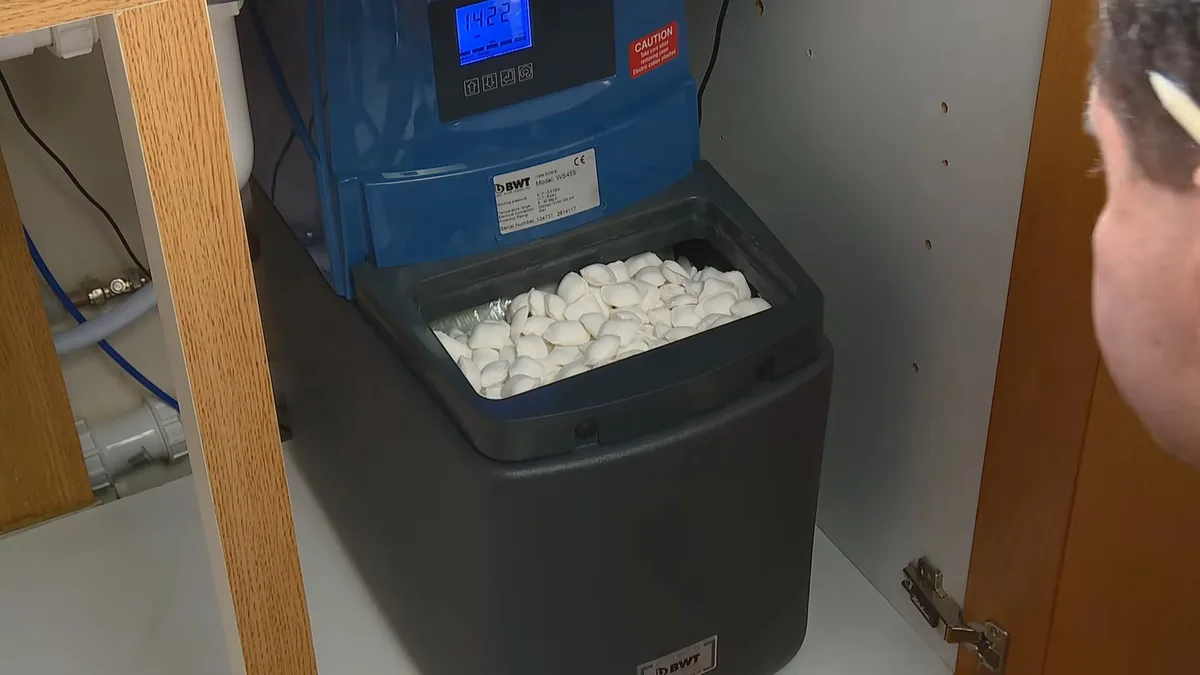
Softeners fail in a few predictable ways. A unit that no longer softens may have an empty brine tank, a salt bridge that keeps the salt from dissolving, a worn resin bed or a control valve that has stopped cycling. The first two are simple to check, and the last two need a plumber.
Routine softener maintenance means checking the salt monthly, cleaning the brine tank when sludge builds and replacing a worn resin bed or valve when cleaning no longer helps. Households that do not want to haul bags can arrange salt delivery, and an ice machine filter needs its own scheduled change.
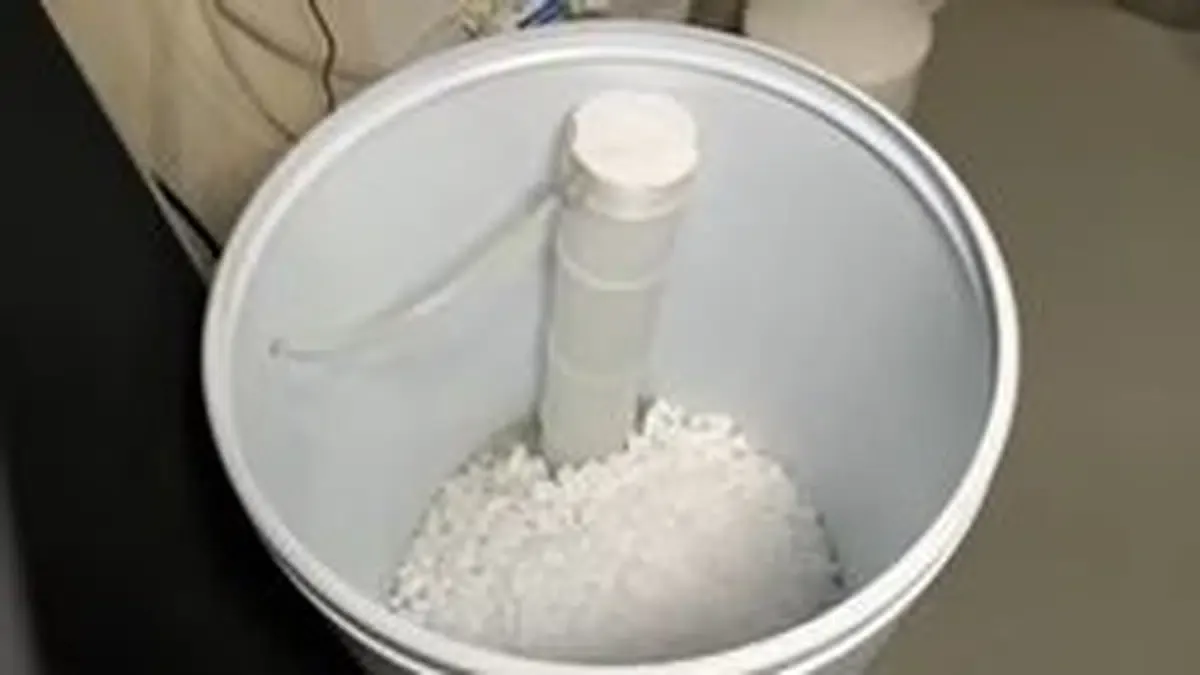
Check the brine tank first. If the salt is crusted over and the water below it is dry, the crust is a bridge, and breaking it up with a broom handle can restart regeneration. A tank that fills with water well above the salt can point to a clogged drain line or a faulty float.
Service visits cover the valve, the resin, the drain line and the bypass. A bypass valve left in the wrong position sends untreated water through the house, which looks exactly like a failed softener. Describe what you see at the faucets, and mention how old the unit is.
Scale from untreated water also builds up inside tanks and elements. The water heater repair service page explains what mineral buildup does to a heater that has been running for years.
Softener not working or water tasting off? Call a plumber
Describe how the unit behaves and what changed at the tap. A plumber can book a visit to test, repair or replace the system.
Is a whole-house water filter the right choice for your home?
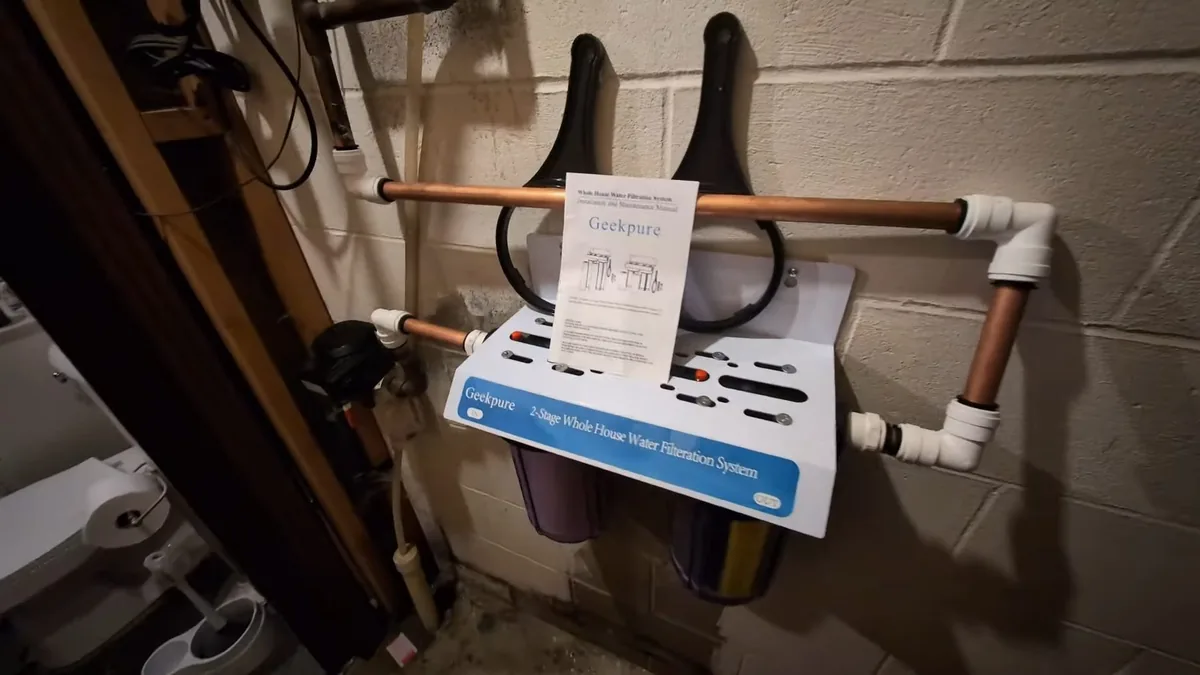
A whole-house filter goes on the main supply line right after the shutoff, so every fixture in the home gets treated water. It protects fixtures and appliances from sediment, and some models also reduce chlorine. It is a larger project than a kitchen filter, with bigger housings, bypass valves and a place to mount them.
EPCOR's 2025 Agua Fria water quality report reports hardness between 2 and 17 gpg across its seasons and sources, and the separate Sun City report shows 7 to 11. A whole-house sediment or carbon filter does not change hardness, so a household that wants less scale will need a softener in addition.
Not every Waddell address is on the same water provider, and hardness varies by provider. Before sizing any system, look up your own utility's latest water quality report and use that figure. A plumber can read the report with you, or draw a sample for a simple test strip.
Reverse osmosis systems for drinking and cooking water
Reverse osmosis pushes water through a fine membrane that removes much of what is dissolved in it. A typical home unit sits under the kitchen sink with a storage tank and a small faucet beside the main one. It produces drinking and cooking water, not water for the whole house.
Reverse osmosis is often written RO on equipment labels and filter packs, so match the model name before you buy replacement cartridges.
The system needs a drain connection, since it flushes rejected water away as it works. A plumber adds a drain saddle to the sink trap and sets the air gap so that the line cannot siphon back. Ice makers and refrigerators can be connected too, which is a common reason homeowners add a small line.
Reverse osmosis needs upkeep. Prefilters change on a schedule, the membrane lasts longer but also wears out, and a tank that loses pressure will deliver less water at the tap. Keep a note of the install date so that the changes are not forgotten.
White spots, scale and dry skin: signs your water needs a softener
Hard water leaves marks you can see. White crust grows around faucet bases and shower heads, glassware dries with spots and soap leaves a film instead of a lather. Appliances that heat water, such as water heaters and dishwashers, collect scale and lose efficiency as the layer thickens.
Testing comes before buying. A strip test from a hardware store gives a rough reading, and a lab test is more exact. Hardness in the Agua Fria system varies by season, so one reading may not represent the year, and a plumber can help read results and compare them with the utility's report.
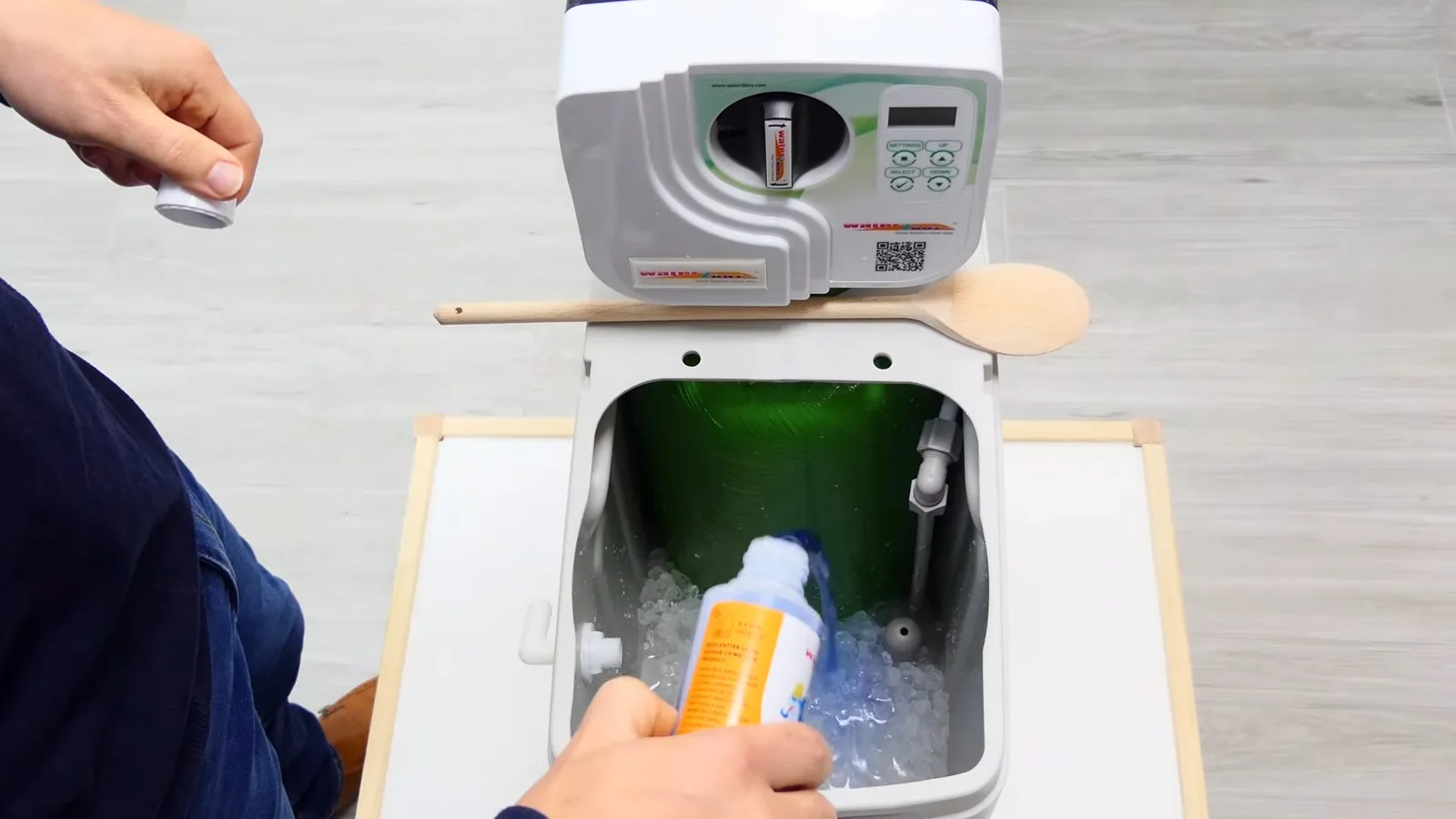
A softener uses an ion exchange resin bed that holds sodium and releases it in exchange for calcium and magnesium. When the resin is full of minerals, the unit regenerates by flushing the bed with brine. That cycle is why a softener needs salt and a drain connection.
Some homeowners ask about a no-salt conditioner. These units do not remove hardness minerals. They change how the minerals behave, and results vary, so ask what the product is rated for before you compare it with a regular softener.
Ready to treat your water? Call for a plumber
Name the system you are weighing, or describe the spots and scale you see. Dispatch can schedule a plumber to quote the install.
What does a water softener installation involve?
A softener install needs a spot near the main water line, a drain, an electrical outlet and enough floor space for a resin tank and a brine tank. Garages and utility closets are the usual choices. In a home with a long run of piping, placement decides whether outdoor taps are softened too.
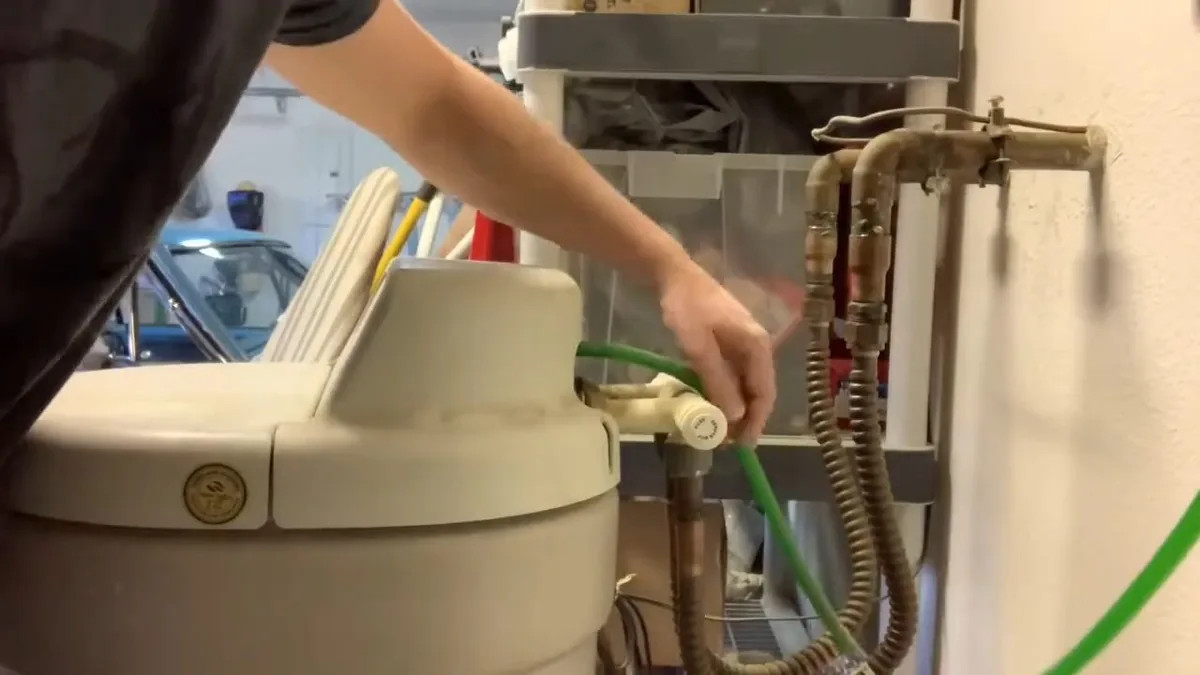
The plumber cuts into the main supply, adds a bypass so the unit can be isolated, connects the inlet and outlet and runs a drain line for regeneration. Many installs also include a hose bib before the unit, so that outdoor spigots and irrigation still get untreated water, which is wiser for lawns and gardens.
Setup is the last step. The resin is flushed, salt goes into the brine tank, the control valve is programmed for the home's hardness and the first regeneration is run to confirm the drain works. Ask the plumber to show you where the bypass handle is and how to add salt.
An existing home may need a new outlet or a drain that meets code. Permit requirements depend on the address and on the permit office that covers it, so confirm what applies before work starts.
Water softener and filtration questions answered
How can I tell whether my water is hard?
Check these signs: 1. White crust around faucets and shower heads. 2. Spotted glasses after the dishwasher. 3. Soap that will not lather. 4. A strip test showing high hardness. 5. A utility report listing hardness above your comfort level.
One caution: a test strip gives only a rough reading, and hardness can shift between seasons. Use your utility's report as the reference, and have a plumber confirm before you buy a system.
My softener stopped working and I dropped something into the brine tank. What do I do?
A homeowner opens the brine tank to add salt and a box cutter slips from a pocket into the brine well. The tool can jam the float or the draw line and stop the unit from regenerating.
Do not reach into the well. Turn the unit to bypass and call a plumber, who can retrieve the object and check the float and the valve.
Why is water leaking from the softener control valve?
Water at the valve usually shows up as a drip, a wet floor beside the tank or a steady hiss. The usual causes are worn seals, a cracked distributor or a loose connection at the inlet and outlet.
A plumber can replace or reinstall the valve and test the seals under pressure.
Should I choose a water softener or a water filter?
A softener fits a household whose problem is scale, spotted dishes and dry skin. It treats hardness for every fixture on the line it serves.
A filter fits a household whose problem is taste, odor or sediment. A softener will not fix those. Some homes need both, and a plumber can set them up on the same supply line.
Water treatment question in Waddell? Call a plumber
Share what you notice in your water and which system you are considering. A plumber can help you choose and install it.
- Licensed and insured plumbers
- Same-day service when available
- 24/7 emergency dispatch