
24/7 Emergency Line Open
Drain Cleaning in Waddell, AZ: Slow Sinks, Backed-Up Toilets and Hydro Jetting
Every clogged drain puts one decision in front of you: clear it with a cable or jet the whole line, and do it tonight or let it wait. The answer depends on what the water is doing. A sink that drains slowly is a different problem from a toilet that rises when the shower runs.
Cabling pushes through a blockage, and hydro jetting scours the pipe wall with high-pressure water. A plumber serving your area picks between them after seeing where the water backs up, how many fixtures are affected and whether the clog has returned before.
- Licensed and insured plumbers
- Same-day service when available
- 24/7 emergency dispatch
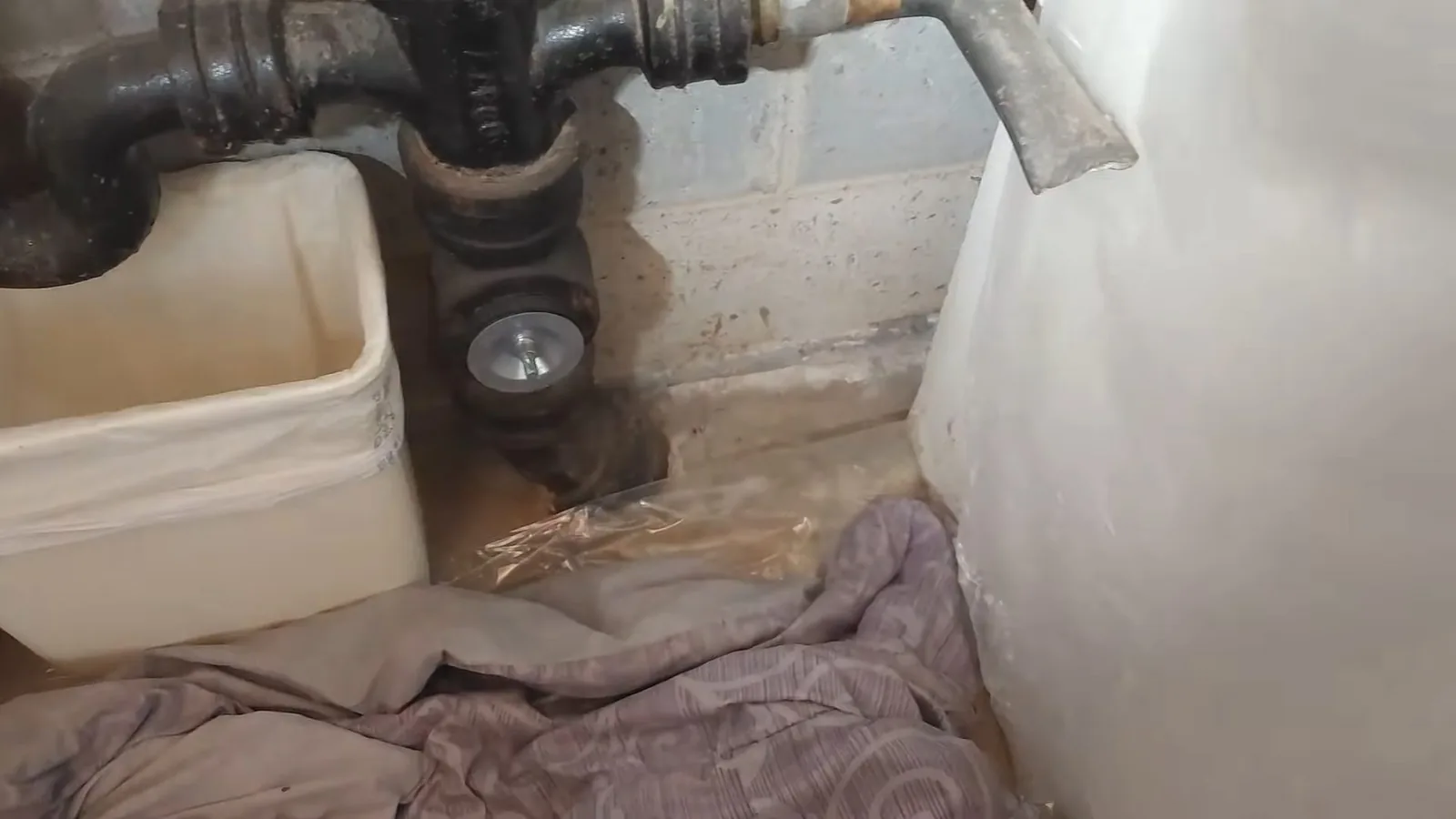
Is hydro jetting worth it, or will a cable clear the drain?
A cable, sometimes called a snake or an auger, bores a hole through a blockage. It restores flow quickly and suits a single stoppage close to the fixture, such as a hairball in a tub drain or a wad of paper in a toilet trap. The pipe wall around the hole stays coated, so a grease or scale lining can begin narrowing the line again.
Hydro jetting sends water through a nozzle at high pressure, and the spray cuts a clog apart and scrubs the inside of the pipe. It fits a line that backs up repeatedly, a clog made of grease or soap film, and a main drain that serves several fixtures. A plumber should look inside the line with a camera first, since jetting a cracked or collapsed pipe can make the damage worse.
Cable or auger fits when
- One fixture is slow or stopped
- The clog is new and the line has run clear before
- The blockage sits near the trap or the fixture drain
- A quick restoration of flow is the goal
Hydro jetting fits when
- Several fixtures back up together
- The same drain clogs again within weeks or months
- The line is coated with grease, soap or mineral scale
- A camera shows the pipe is sound enough for pressure
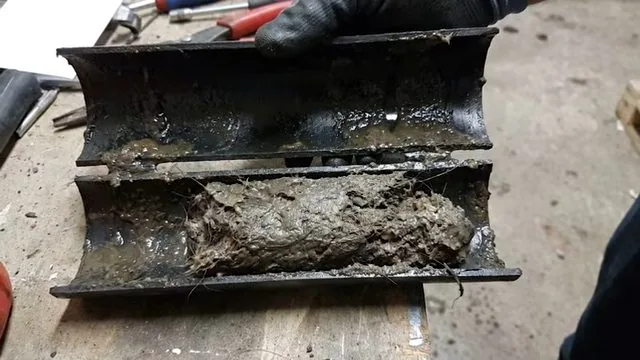
Ask which method is planned and why, and whether the line will be viewed on camera before or after the work. A plumber who can explain the choice in a sentence usually has looked at the symptoms instead of reaching for the same tool every time.
Slow drain, gurgling or standing water: what each symptom points to
Where the water backs up says more than how fast it drains. One slow fixture points to a clog in that fixture's own branch. Two or three fixtures that slow down together, or a toilet that gurgles when the washer drains, point to a blockage in a shared line further along. Water rising in the lowest drain of the house is the sign of a main line stoppage, which needs a different tool.
Kitchen sink drain
Kitchen drains clog with grease, food scraps and coffee grounds, and the pipe under the sink is only a few feet from the garbage disposal. Chemical drain openers sit in a standing sink and can splash onto skin or surfaces when a plumber later opens the trap, so skip them. If the sink drains slowly after a dishwasher cycle, the clog may sit past the point where the dishwasher line joins.
Toilet clog
A single toilet that will not flush is usually a blockage inside the fixture or its short drain, and a plunger with a firm seal clears most of them. If the water in the bowl rises when a nearby sink or shower runs, plunging will not help, because the blockage is further down the line. Stop flushing and call before the bowl overflows.
Bathtub and shower drain
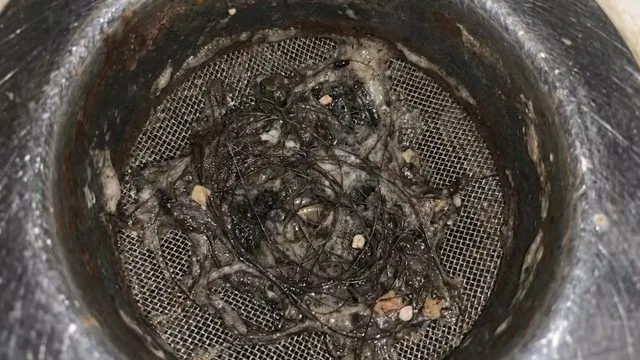
Tub and shower drains clog with hair, soap film and, in some homes, scale from hard water. Lifting the stopper or strainer and pulling out the hair clears many of them. A shower that pools around your ankles after you lift the strainer has a clog past the visible part, and a cable or small jet is the usual next step.
Water backing up in more than one fixture? Call now
Tell dispatch which drains are slow and whether water is rising anywhere. Dispatch then says whether the visit should happen today or can be booked.
Cracked, sagging or corroded drain pipe: when cleaning stops helping
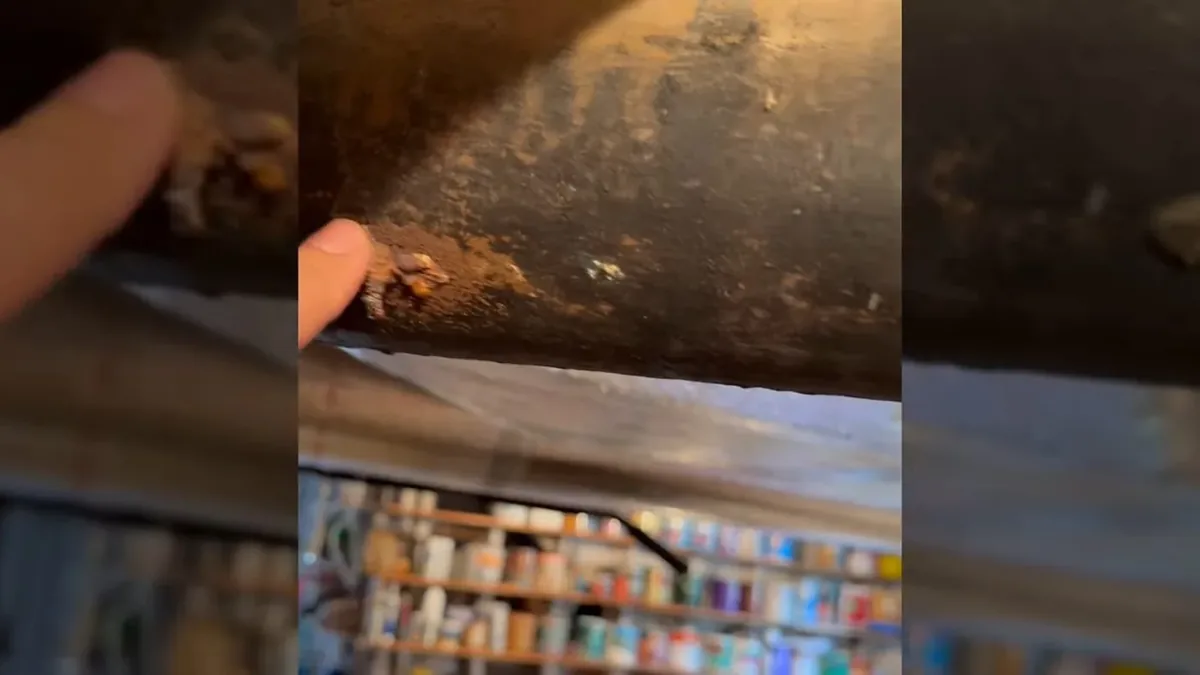
A drain that clears and clogs again in the same few weeks is often telling you the pipe, not the debris, is the problem. A dip in the pipe collects water and solids. A cracked joint lets roots in. A corroded section rough enough to snag every wipe and strand of hair will keep clogging no matter how well it is cleaned.
Homes built in different decades use different drain materials, and the Waddell area includes houses whose ages differ by more than fifty years. Rather than assume a material, ask the plumber to identify what your line is made of during a camera inspection, since a cast iron line that has scaled over is repaired differently from a plastic line with a cracked fitting.
Repair options depend on what the camera shows. A short damaged section can be cut out and replaced. A longer run may call for a liner or a full replacement. When the failure sits in the line between the house and the street, the sewer line repair page covers what that work involves,.
Roots, grease and wipes: what rooter work removes and what it leaves
Rooter service uses a cutting head on a cable to clear whatever is blocking the line. Grease and soap plugs break up and wash away, and fibrous mats of wipes tear apart. The cutting head can also clear root growth that has entered a joint, which gives the line room to run for a season.
Cutting roots does not repair the opening they came through. Roots return to the same crack, so a line that was cut once and clogs again points to a repair rather than a second cleaning. A camera view after the cut shows where the roots entered and how much of the pipe wall is intact.
Restaurants and other food businesses have a harder version of the same problem, with grease in kitchen lines that builds quickly. Commercial kitchens and exhaust-adjacent drains usually need scheduled cleaning rather than a one-time visit, and the commercial plumbing page describes how business properties are handled.
Clog removal and unclogging are the same job from two angles: one describes the stoppage, the other the result. Residential drain cleaning usually pairs the removal with advice on maintenance, such as how often to run hot water or flush a line, and hydrojetting is the term some plumbers use for the same high-pressure method described above. A mainline backup means every fixture on the line is affected, and it calls for a quicker visit than a single slow sink.
- Flush only toilet paper and human waste, since flushable wipes and paper towels do not break down
- Wipe greasy pans with a paper towel before washing, then bin the towel
- Run hot water for a minute after the dishwasher or washer drains into a shared line
- Use a hair catcher in every tub and shower drain
What does a drain cleaning visit include, and what can wait?
A visit starts with questions: which fixtures, since when, how often it has happened before. The plumber then clears the stoppage with a cable or jet, runs water to confirm the line drains, and in many cases looks inside the pipe with a camera. A camera view is the difference between a drain that was cleared and a drain that was diagnosed.
Some situations need to be handled at once. Sewage rising in a tub or a floor drain, or water backing up throughout the house, should not wait for a convenient window. A single slow sink with no other symptoms can usually wait until the next opening, and a plumber can tell you honestly which category you are in. The emergency plumber line takes calls at any hour.
Main lines, floor drains and yard drains are the long-tail jobs. A main line clog affects every fixture below the blockage. A floor drain that gives off an odor may have a dry trap, a few cups of water down the drain, or a partial blockage. A French drain or storm drain in the yard is a drainage job rather than a sewer job, and Arizona 811 should be called before anyone digs.
Hard water adds to the problem in the Waddell area. EPCOR's 2025 report for its Agua Fria system lists hardness between 2 and 17 grains per gallon depending on the season and source, and mineral scale narrows pipe over the years. Addresses served by other providers should ask that provider for its figure.
Sources: EPCOR 2025 water quality reports; Arizona 811. Accessed 2026-11-09.
Stoppage is not going away? Book a plumber who can look inside
Describe the fixtures, how long the problem has lasted and what has been tried. Dispatch picks up day or night, and a plumber can look inside the line.
Drain cleaning questions answered
Is hydro jetting better than snaking a drain?
Neither is better in every case. A cable is the quicker choice for one clog near a fixture, and hydro jetting is the stronger choice when a line clogs repeatedly or is lined with grease or scale.
Pick a cable when one fixture is slow and the line has run clear before. Pick jetting when several fixtures back up together, when the same drain returns within weeks, or when a camera shows the pipe is sound enough for pressure. A plumber should say which applies after seeing the symptoms.
Why is my hot water tank clogged and the hot water not flowing?
Reduced hot water flow is usually a water heater or supply issue, not a drain issue, so a drain cleaning visit will not fix it.
Sediment can collect in a tank and limit the output, and a partly closed valve or a clogged fixture screen can do the same. If cold water flows well and only the hot side is weak, the water heater repair page is the better place to start.
How does hydro jetting work in Waddell homes?
Hard water leaves mineral scale on pipe walls over time, and EPCOR's 2025 report puts hardness at 2 to 17 grains per gallon for its Agua Fria system. Hydro jetting is one way to scrub scale, grease and soap film off the inside of a drain.
The plumber feeds a hose with a nozzle into a cleanout. Water at high pressure sprays backward along the pipe as the hose is pulled out, which cuts the clog apart and scours the wall. A camera view first confirms the pipe can take the pressure.
Water will not go down the toilet. What do I do?
Try these in order: 1. Stop flushing and lift the tank lid, then close the flapper so the tank cannot refill the bowl. 2. Plunge with a firm seal, using slow pushes. 3. If the water level drops, flush once and watch it. 4. If it rises, stop and call.
One caution: if water also gurgles or rises in a nearby tub or sink, the blockage is in a shared line, and plunging will not clear it.
Why does my drain keep clogging?
A homeowner clears a bathroom sink in May, and by July it is slow again. Each clearing removes the hair and soap that built the clog, but the pipe wall stays coated, so the next buildup forms faster.
Repeat clogs usually have a cause beyond what came out of the drain: a sag in the pipe, scale or grease lining the wall, roots in a joint or a shared branch that is partly blocked. A camera inspection finds the cause, and the fix then fits the cause instead of repeating the cleaning.
Why does my kitchen drain keep clogging?
Do now: run hot water for a minute after each use, wipe greasy pans with a paper towel and avoid pouring fat or coffee grounds into the sink. Can wait: a full line cleaning, if the sink drains well after those changes.
Kitchen lines clog because grease cools and sticks to pipe walls, trapping food scraps. If the sink slows again within a few weeks, the line has a coating that a cable will not remove, and jetting is the next conversation to have with the plumber.
Drain backing up in Waddell? Call a plumber who will find the cause
Say where the water rises and what has been tried. Dispatch takes calls at any hour, and a same-day visit is offered when an opening exists.
- Licensed and insured plumbers
- Same-day service when available
- 24/7 emergency dispatch