
24/7 Emergency Line Open
Water Line Repair and Replacement in Waddell, AZ: Main Lines, Yard Lines and Low Pressure
The water line is the pipe that carries water from the street connection to your house. It usually runs underground, out of sight, and it is the reason a wet patch in the yard, a loss of pressure or a meter that spins with every tap closed can all lead to the same repair.
Water line work covers fixing a leak in that buried pipe, replacing a failed run, and the valves and regulators along it. A plumber serving your area finds where the pipe is losing water, explains whether the part is yours or the utility's, and recommends a repair or replacement.
- Licensed and insured plumbers
- Same-day service when available
- 24/7 emergency dispatch
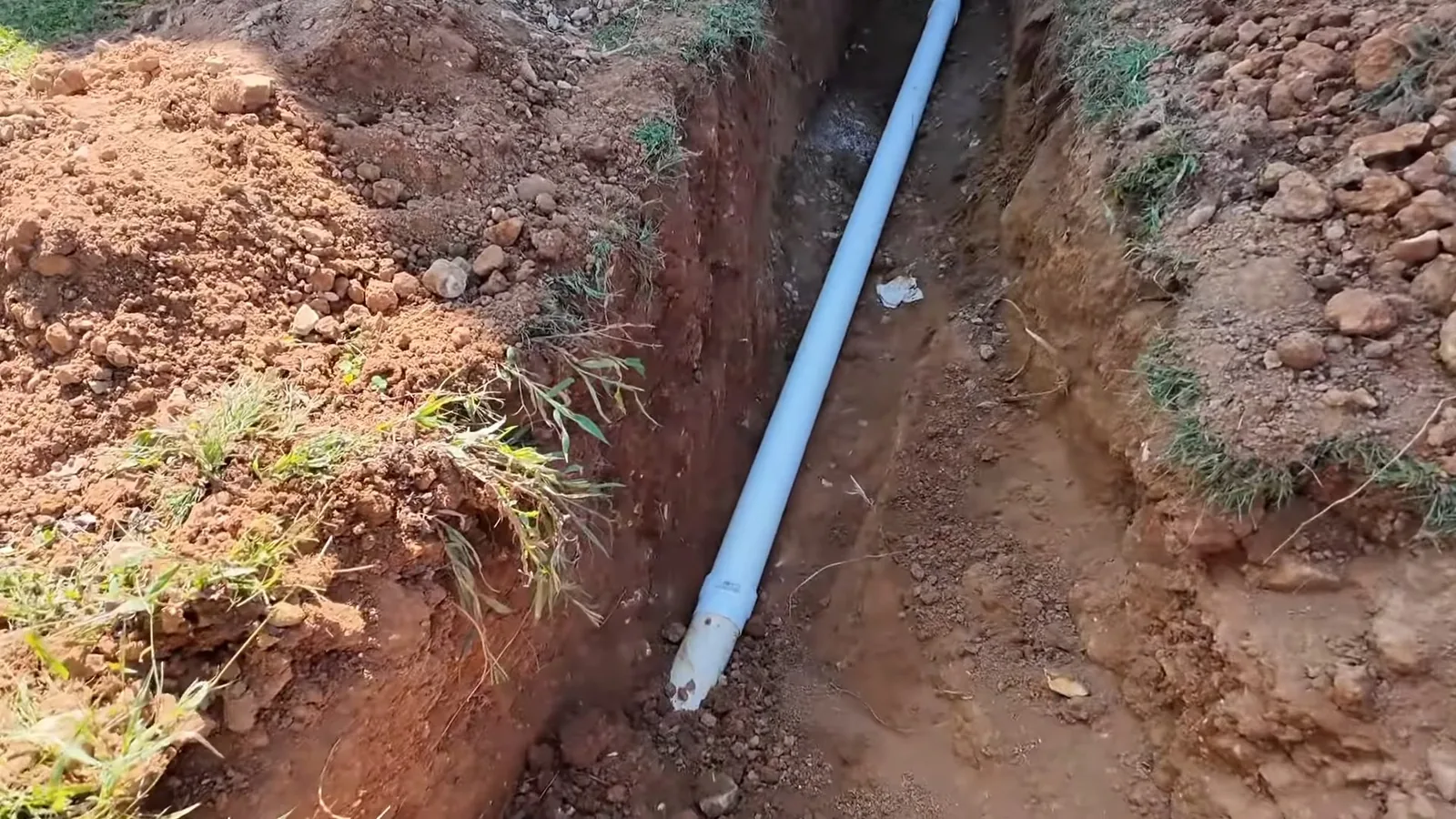
Repairing a leaking main water line before the yard or the bill gives it away
A leak in the main line often shows no symptom inside the house. The signs show up outdoors and on the bill. Look for a soggy strip of ground between the meter and the front wall, grass that stays green in a dry week or a hiss near the meter. A bill that rises while the family's habits stay the same is the other clue.
The first step is confirming that the leak is on the house side. With every fixture off, a moving meter means water is escaping somewhere past it. A plumber can then use a listening device and a line locator to find the pipe and narrow the spot, so the excavation is small and the repair is aimed.
Short repairs are common. A cracked section or a failed coupling can be cut out and replaced with new pipe and fittings. Where the surrounding pipe is in poor shape, a longer replacement may be the better use of a trench that is already open. The plumber should show you the exposed pipe so the choice is not made blind.
Waddell service line and yard line: who is responsible for which section
A service line has two parts in most systems: the stretch between the water main and the meter, and the stretch from the meter to the house. The dividing point and the owner of each part depend on the water provider. EPCOR serves the Waddell area, and some addresses are supplied by another company, so check your own bill for the provider's name.
Before agreeing to dig, ask the provider where its responsibility ends. A leak between the main and the meter may be the provider's to fix, and a leak after the meter generally belongs to the property owner. Written confirmation from the provider saves argument later, and a plumber should be willing to wait for it.
Permits and digging rules sit on top of that. City of Surprise limits and unincorporated county land both lie within the Waddell area, which decides the permit office, and Arizona 811 must be called before anyone excavates so buried utilities are marked.
| Section | Typical owner | First step |
|---|---|---|
| Main to meter | Water provider, per its service rules | Call the provider and report the leak |
| Meter to house | Property owner | Call a plumber to locate and repair |
| Inside the house | Property owner | See the leak detection and repiping pages |
A leak you cannot place can be found first with the leak detection service, which costs less than digging in the wrong place.
Wet ground near the meter or a bill that jumped? Call
The damp spot, the meter reading and any change in pressure are what dispatch needs. A plumber can then decide whether a visit today is called for.
Waddell water line replacement: trenchless, open trench and what each needs
Replacement means installing a new water line in place of the old one, from the meter to the house. It makes sense when a line has leaked more than once, when the pipe is corroded along its length or when a section has been damaged by tree roots or earlier digging.
Open trench replacement digs along the pipe's path, lays new pipe and backfills. It is direct and easy to inspect, and it disturbs lawns, driveways and walkways above the line. Trenchless methods pull a new pipe through the old path from two small access holes, which leaves most of the surface alone where the path and the old pipe allow it.
Ask the plumber which method fits, what the restoration plan covers and what warranty comes with the pipe and the work. A written scope that names the pipe material, the connection points and who contacts the utility is the minimum.
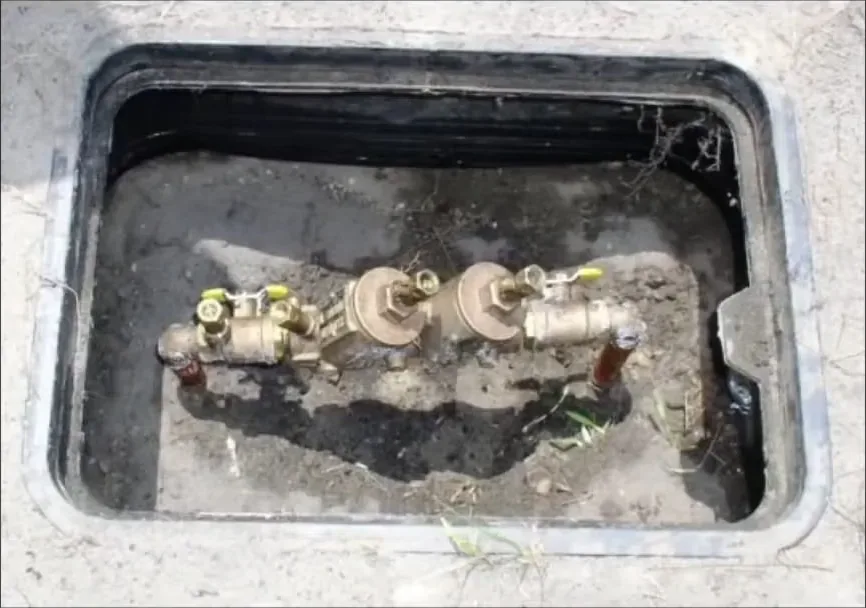
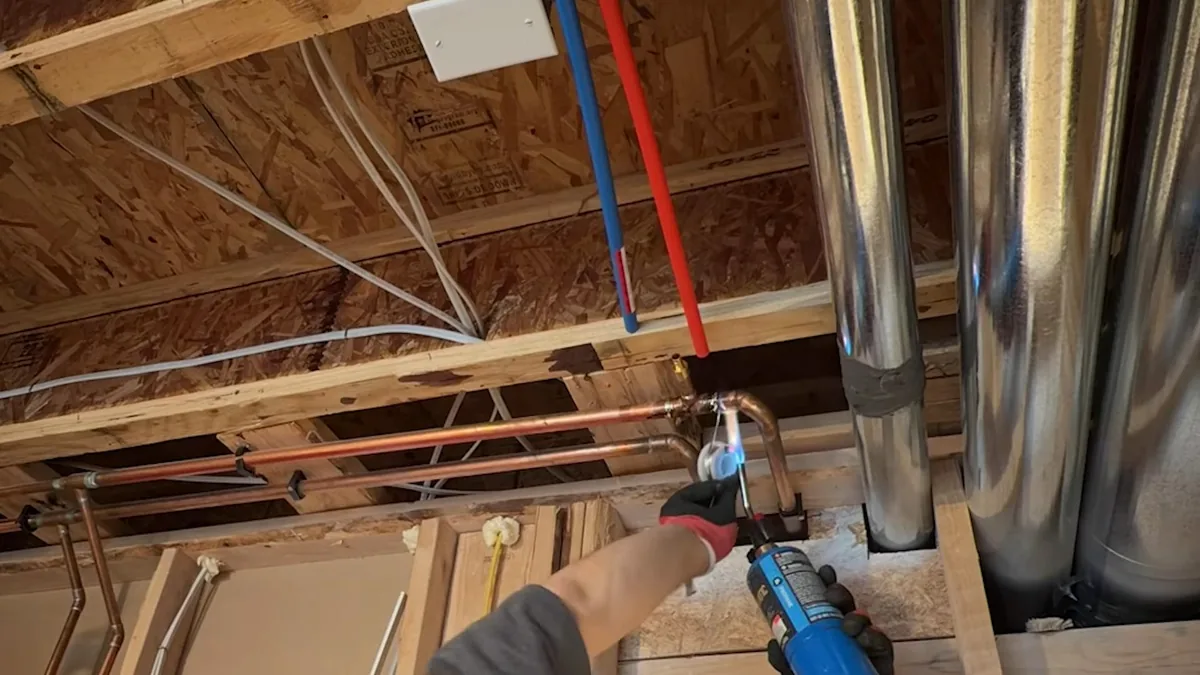
Pressure dropped at every tap? Get the line checked
A gauge reading, the meter test and a look at the main valve usually separate a house problem from a line problem. Dispatch can book the visit.
Low pressure, high pressure and the regulator in between
Pressure problems are not always a pipe problem. Low pressure at every fixture can come from a partly closed valve, a failing pressure reducing valve or a leak upstream of the house. Low pressure at one fixture is usually local to that fixture, such as a clogged aerator.
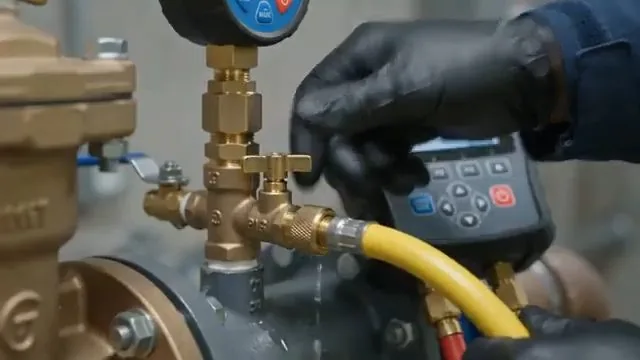
A pressure reducing valve, often called a PRV or regulator, is a bell-shaped valve near the main shutoff that lowers street pressure to a safe level for the house. When it fails, the pressure can swing too high, which strains fixtures and the water heater, or drop too low. A gauge screwed onto a hose bib shows what the house is really seeing.
Pressure testing of a line is a related step. The plumber seals the line, raises the pressure to a set level and watches the gauge. A drop means a leak. Ask for the reading before and after repairs, since it is the plain proof that the work held.
- Find the main shutoff and make sure it opens fully
- Check whether the loss is at one fixture or every fixture
- Ask the plumber to read the house pressure with a gauge
- Ask whether the regulator is original or has been replaced
Shutoff valves and the meter: the parts that decide how fast you can stop a leak
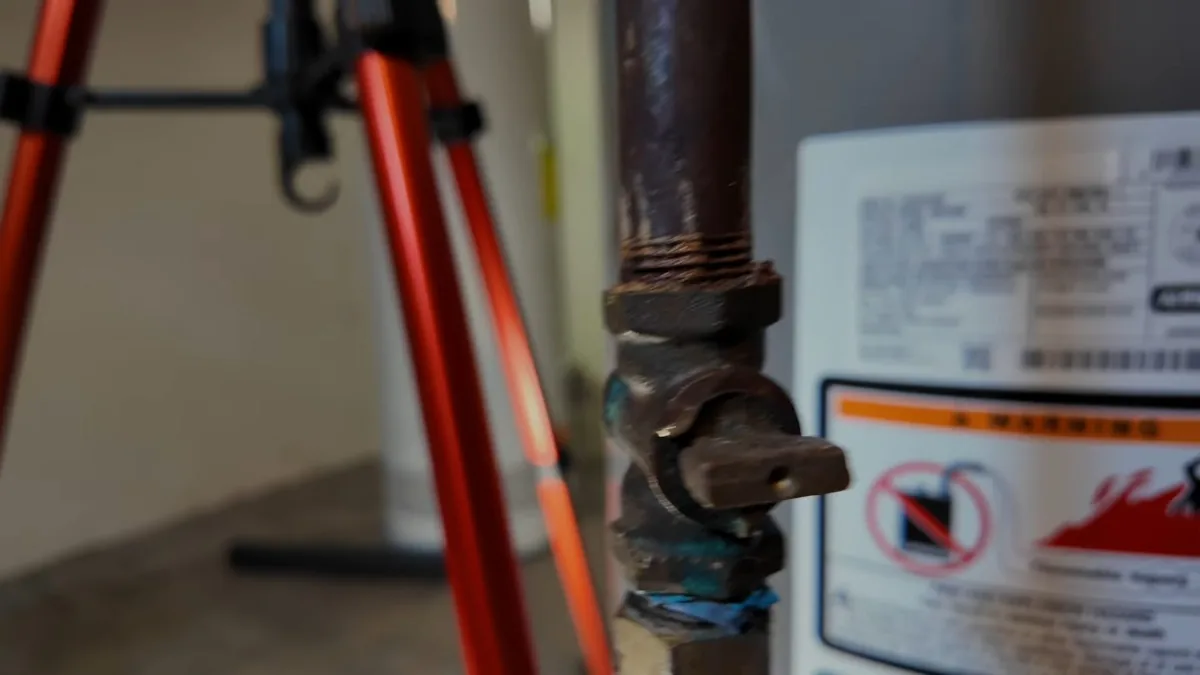
Know where the main shutoff valve is before you need it. In many homes it sits near the front hose bib, at the garage wall or in a utility closet, and a second valve sits at the meter in a box in the ground. The house valve is the one to close first; the meter valve belongs to the provider.
An old valve that has not been turned in years may stick, leak or fail to close. Test it once a year, and ask a plumber to replace a valve that will not close fully. A reliable shutoff turns a burst line into an inconvenience and costs little to keep in working order.
A shut-off valve on the house side of the meter should turn fully and hold. A valve that seeps at the stem or will not close is the first part a plumber replaces, because it controls every later repair.
If water is already running where it should not, close the house valve first and call. The emergency plumbing line is staffed around the clock, and dispatch can say whether a visit today fits the schedule.
Sources: EPCOR 2025 water quality reports; City of Surprise permits; Arizona 811. Accessed 2026-11-09.
Water line questions answered
How do I tell if I have a buried water line leak?
Check in this order: 1. Turn off every fixture and appliance that uses water. 2. Read the meter and watch for movement over fifteen minutes. 3. Look for damp or sunken ground between the meter and the house. 4. Listen near the meter and the main shutoff for hissing. 5. Compare this month's bill with last month's.
One caution: a moving meter proves water is escaping, but it does not say where, so a plumber should confirm the location before anyone digs.
What happens when the main water line to the house fails?
A homeowner notices low pressure in the morning and a wet patch near the garage by noon. Water is leaving the main line between the meter and the house, and every fixture is losing pressure at once.
The answer is to close the house shutoff, call a plumber and have the leak located. A repair of the failed section is common, and replacement of the whole run is the answer when the pipe is corroded or has failed before.
Water is coming up through concrete near the foundation. What now and what can wait?
Now: close the main shutoff and call a plumber, since a leak under concrete does not stop by itself. Later: flooring, landscaping and any repair to the concrete, once the line is fixed.
A leak under concrete may be a slab leak, an underground main or a drain line, and a plumber can tell which with a meter test and listening gear.
Water line trouble in Waddell? Call and describe what you see
Name the spot where water or pressure loss shows up and what the meter is doing. Someone answers whether it is noon or midnight.
- Licensed and insured plumbers
- Same-day service when available
- 24/7 emergency dispatch