
24/7 Emergency Line Open
Commercial Plumber in Waddell, AZ: Shops, Restaurants, Offices and Multifamily Buildings
A restroom that overflows during business hours, a kitchen drain that backs up before dinner service or a water heater that stops during a shift: those are the problems that bring a business to call a plumber. Commercial work differs from a home visit because downtime costs money and the building often has shared lines.
Commercial plumbing covers repairs, scheduled maintenance, grease traps, drain cleaning, water heaters and leak work in shops, offices, restaurants, medical suites and multifamily buildings. A plumber serving your area can scope a visit once you describe the system and the problem.
- Licensed and insured plumbers
- Same-day service when available
- 24/7 emergency dispatch
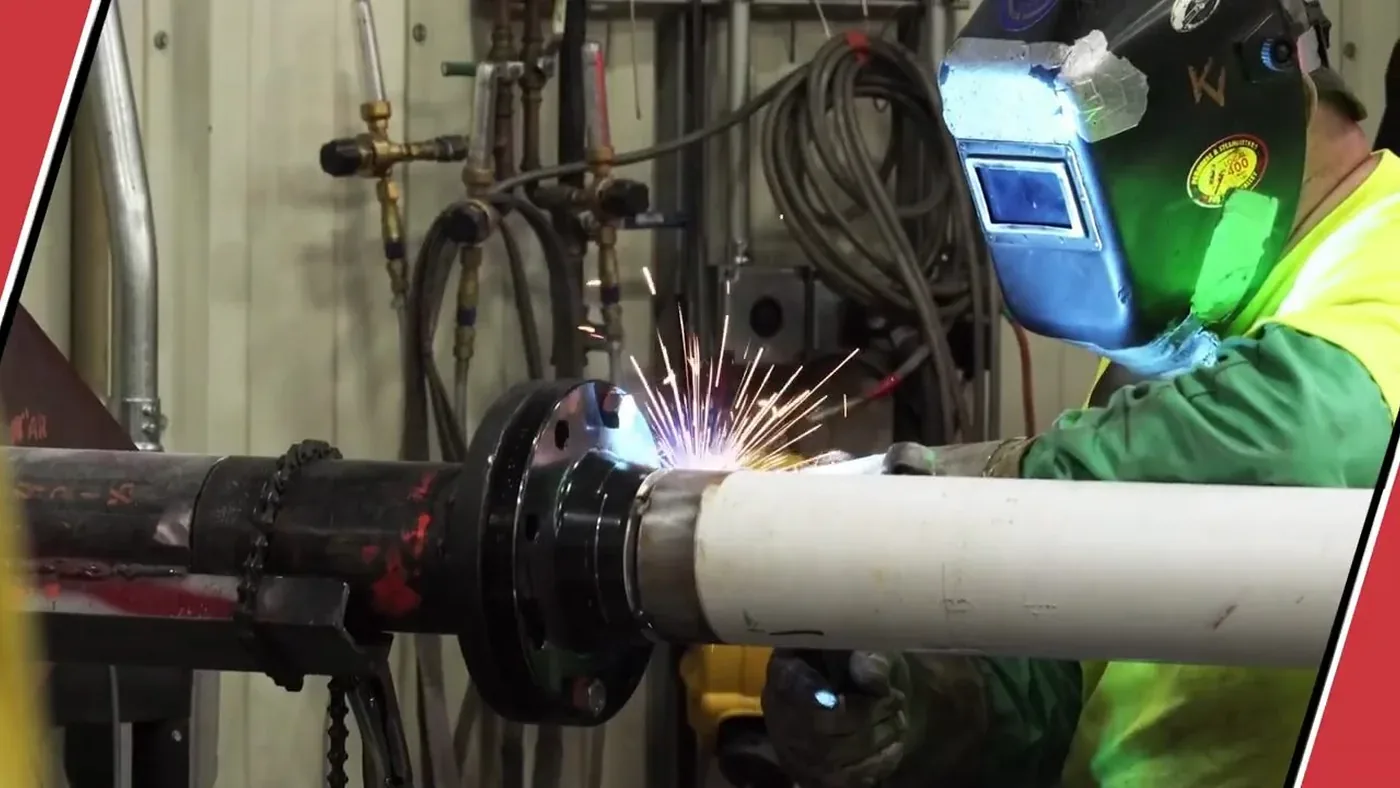
Plumbing service for shops, offices and multifamily buildings
Commercial buildings have larger systems than homes. Supply lines are bigger, drain lines are longer and fixtures are used many times a day. A failing valve or a slow drain gets worse faster, and a leak above a ceiling can reach several tenants.
Residential and commercial plumbing share tools, but not scale: a business may have dozens of fixtures on one riser, and a single repair can touch every tenant on it.
Retail centers such as Village at Prasada in Surprise, medical offices like those near Banner Boswell in Sun City and smaller strip units all have the same basic needs: reliable restrooms, hot water, working floor drains and a known place to shut off the water. A plumber starts by learning where those are.
Tell dispatch whether you own the building or lease a unit. A tenant usually reports a problem to the property manager, and the owner may decide who handles the repair. That affects who can approve the visit and who is billed for it.
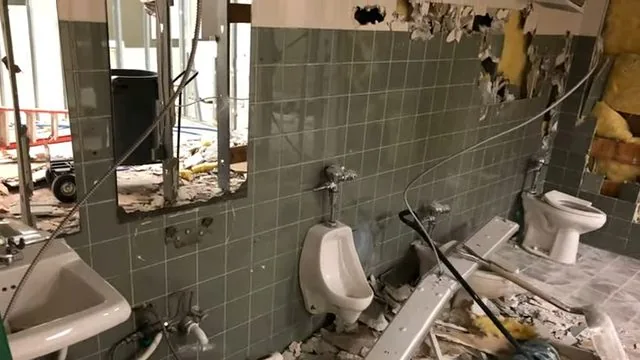
Commercial plumbing maintenance contracts and scheduled checks
Scheduled maintenance catches small faults before they close a business for a day. A plumber looks at shutoff valves, water heaters, backflow devices, floor drains and exposed piping on a set interval and notes what is wearing out. The visit schedule depends on how heavily the building is used.
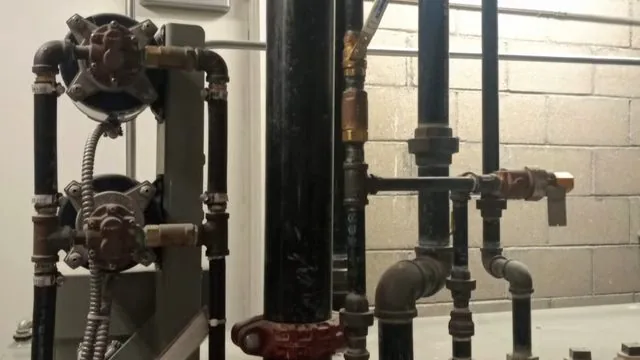
A maintenance agreement is a written plan for those visits. Ask what the visits include, how quickly someone responds to a call between visits and who keeps the service records. Records matter when an inspector, an insurer or a landlord asks what was done and when.
Not every business needs a contract. A small office with a few fixtures may be fine with repairs on call, while a restaurant or an apartment building usually benefits from regular checks. The right choice comes from how much downtime the business can absorb.
Business plumbing problem? Call for a plumber
Give the type of business and what has stopped working. Dispatch can schedule a plumber who comes ready for a commercial system.
Grease traps and commercial kitchen plumbing
Restaurant and commercial kitchen drains carry grease, food solids and hot water, which makes them some of the most failure-prone lines in a building. A grease trap or interceptor catches fats before they reach the sewer, and it only works if it is cleaned on schedule.
How often a trap needs cleaning depends on how much the kitchen cooks, the size of the trap and the rules that apply to the property. A trap that smells, drains slowly or overflows is overdue. Ask the property owner or the permit office which rules apply to the address.
Reverse osmosis (RO) systems and filters are common in cafes and kitchens that run ice machines or espresso equipment.
Kitchens also depend on hot water and clean supply. Dishwashers, prep sinks and ice machines each need a dependable connection, and ice machines and coffee equipment often need filtration to protect them. The water treatment page explains filters, softeners and reverse osmosis that can also be fitted on a commercial line.
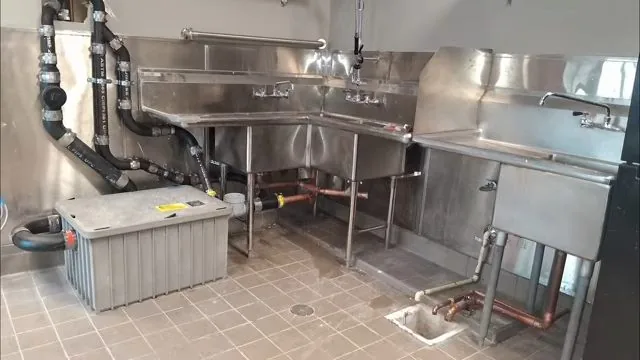
Commercial drain cleaning, water heaters and leak detection
Commercial drains clog from different things than home drains: paper products in busy restrooms, wipes, grease and debris from floor drains. A plumber uses larger cables and jets to clear long runs and can inspect the line afterward with a camera when a clog keeps returning.
Hydro jetting uses high-pressure water to scour grease and scale from a long line, and a camera inspection afterward confirms that the pipe is clear.
Commercial water heaters range from tank units to larger recirculating systems. A heater that runs out during a busy period may have a failed element or a worn burner, or the building may have outgrown it. The water heater repair page describes common failures that apply at any size.
Leak detection matters in a building because a hidden leak can run for weeks. A rising water bill with no explanation is the usual first sign. Isolating each section of the system with shutoff valves lets a plumber narrow the search quickly.
Burst pipe, slab leak and sewer repair in commercial properties
A burst pipe in a commercial space needs the main shutoff found fast. Mark the location of the shutoff for every tenant space, and make sure staff know where it is. Water damage in a shared building spreads between units, so speed matters more than in a single home.
Slab leaks and sewer line failures are handled with the same methods as at a home, only on larger pipe. The slab leak page and the sewer line page describe how a plumber locates the problem and repairs the line.
Dig work in a parking lot or landscaped area requires a call to Arizona 811 before the ground is opened, so that buried utilities are marked. Permits for pipe replacement depend on the permit office for the address, which may be the City of Surprise or Maricopa County.
When water has reached floors or ceilings, the water damage page describes removal and drying.
Restroom, kitchen or water heater down? Call a plumber
Say which part of the building is affected and whether tenants share the line. A plumber can book a visit to stop the loss and plan the repair.
Light industrial, cold storage and apartment plumbing
Light industrial units, warehouses and cold storage buildings have long drain runs, floor drains, wash stations and sometimes process water. Cold storage adds condensate lines that must drain reliably, because a blocked line can put water on a floor where trucks and staff move.
Apartment and multifamily plumbing adds the challenge of many users on shared lines. A single clog can back up several units, and a water heater serving a building has to meet constant demand. A plumber maps the shared lines before any repair so that tenants are told which units are affected.
Mixed-use sites vary the most, with a restaurant under offices or a clinic next to a retail unit. Describe the layout when you call and say which tenants share which lines.
Commercial plumbing questions answered
How often should a restaurant clean its grease trap?
The interval depends on how much the kitchen cooks and on the size of the trap, and the rules for the property may set a minimum.
A trap that smells, drains slowly or overflows is overdue. A plumber can clean it, check the baffles and keep a record of the service.
Does my business need a plumbing maintenance contract?
Businesses with heavy use, such as restaurants and apartment buildings, tend to benefit from regular checks. A small office may do well with repairs on call.
Ask what the visits include, how quickly a plumber responds between visits and who keeps the records.
Who handles a plumbing leak in a leased space?
Sort out the basics first: 1. Shut off the water to your unit if you can. 2. Tell the property manager. 3. Check your lease for who owns the pipe. 4. Photograph the damage. 5. Call a plumber to stop and repair the leak.
One caution: do not repair shared building lines on your own, since the owner may need to approve the work.
Commercial plumbing in Waddell? Call and book a plumber
Name your type of business and the problem. A plumber serving your area can set up a visit that fits your hours.
- Licensed and insured plumbers
- Same-day service when available
- 24/7 emergency dispatch