
24/7 Emergency Line Open
Water Heater Repair in Waddell, AZ: Leaks, Cold Showers and Pilot Problems
Water heater repair covers a tank unit that has stopped heating, heats too little, leaks at a fitting, rumbles, or will not stay lit. It is for the homeowner whose shower has gone cold, whose heater is dripping, or whose gas unit keeps going out.
Most of these problems come down to a handful of parts: a thermostat, a heating element, an igniter, a pilot assembly, a valve or a fitting. A plumber serving your area identifies the failed part, says whether the repair is worth making on a heater of that age, and lays out the alternative if it is not.
- Licensed and insured plumbers
- Same-day service when available
- 24/7 emergency dispatch
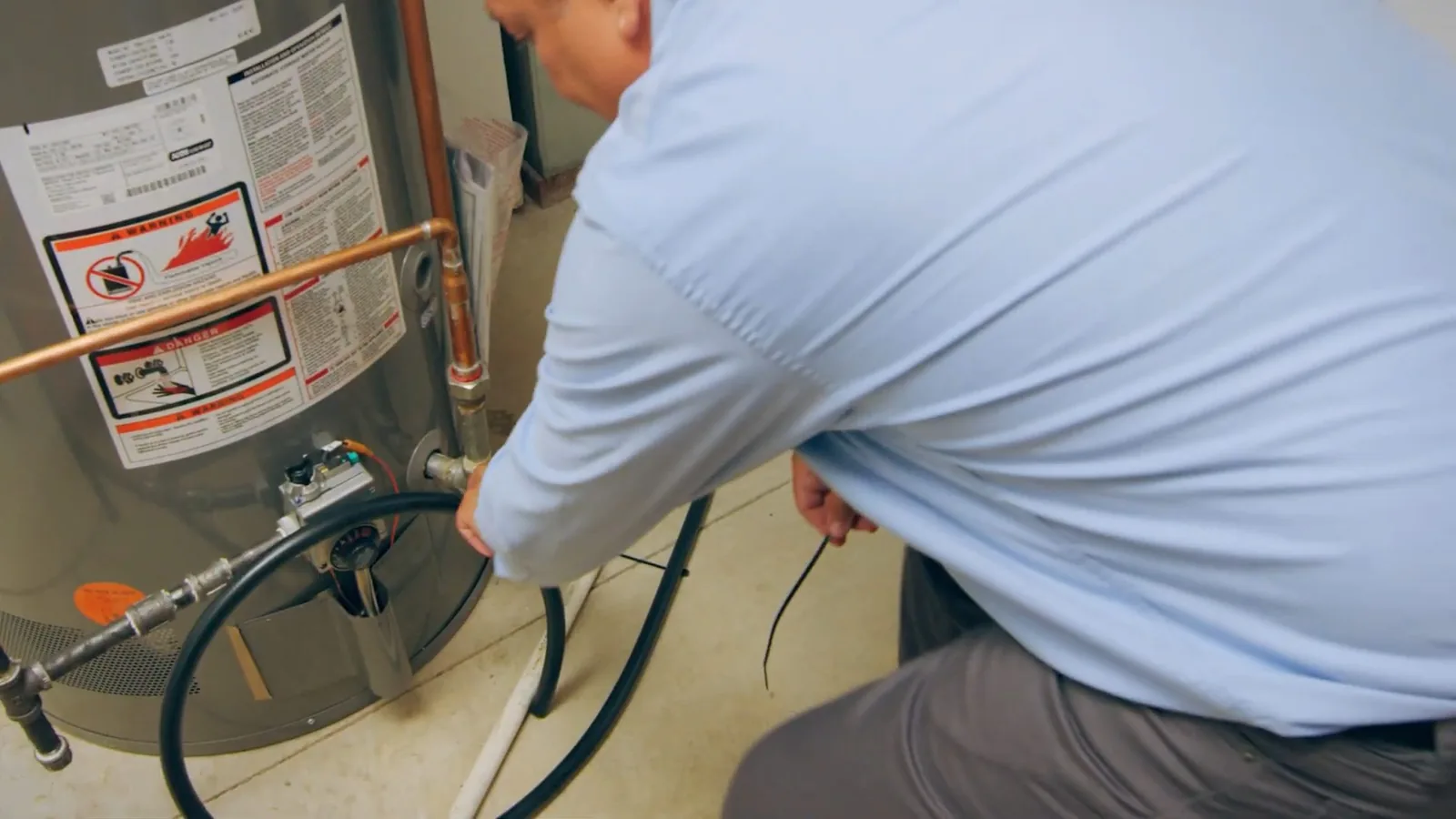
Gas or electric: what fails on each and what the symptoms look like
The first question on a no-hot-water call is the fuel, because the two types fail in different places. Gas heaters rely on a flame, a gas valve and a means of ignition. Electric heaters rely on a power supply, thermostats and two heating elements. Knowing which you have narrows the list of suspects quickly.
Gas tank heaters
A gas unit that has gone cold often has a pilot light that has gone out, a failed igniter on a newer model, or a thermocouple that no longer senses the flame and shuts the gas off. A burner that is sooty, yellow or noisy needs attention. If you smell gas, leave the house and call the gas utility from outside before calling anyone else.
Electric tank heaters
An electric unit that produces lukewarm water may have lost one of its two elements, so only the upper or lower half of the tank is heating. A unit that makes no hot water at all may have tripped a high-limit switch, lost power at the breaker or failed a thermostat. Turn off power at the breaker before anyone opens an access panel.
Popping, rumbling and ticking sounds usually come from sediment baked onto the bottom of the tank, and the next section covers what that does to a heater over time. Water that runs hot and then cold within minutes can mean a failed dip tube or a mixing problem at a fixture.
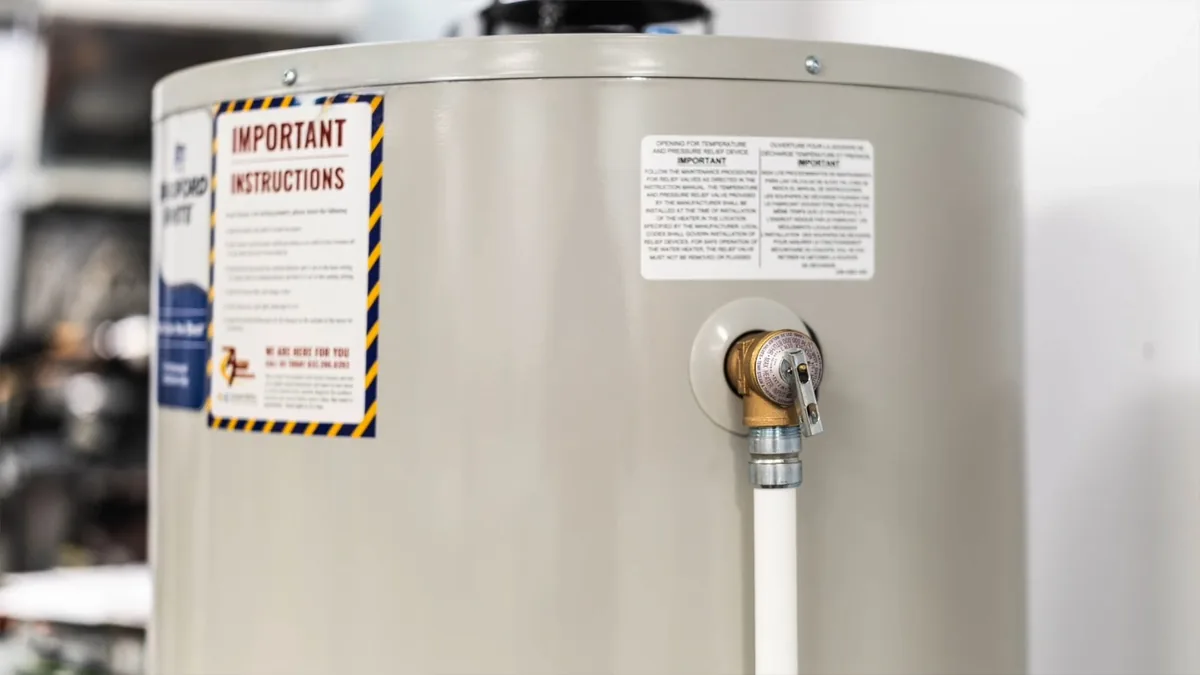
Water pooling around the tank: a leaking fitting or a leaking tank?
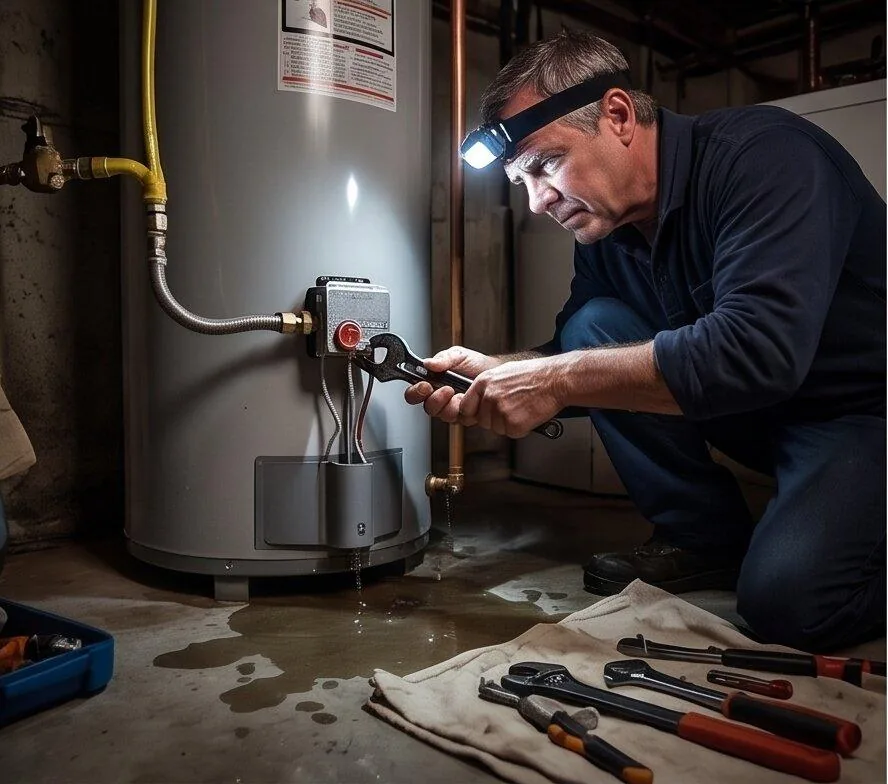
Wet floor beside a heater is the symptom that settles whether repair is possible. Water that drips from a supply connection, a shutoff valve or the relief valve discharge pipe is often a fitting problem, and fittings can usually be repaired or replaced. Water that seeps from the body of the tank, or from beneath it, usually means the steel shell has corroded through.
A tank that leaks from the shell cannot be patched. The usual answer is replacement, which the water heater replacement page describes. Meanwhile, close the cold water supply valve above the heater, turn off the gas or electricity to the unit, and move anything valuable out of the wet area.
- Check whether water is coming from a pipe fitting on top or from the body of the tank
- Look at the temperature and pressure relief valve and its discharge pipe for drips
- Dry the area with a towel and look again in an hour to see where the water returns
- Photograph the heater and its data plate before anyone arrives
Water that has reached flooring, drywall or cabinets is a second job on top of the heater, and the page on water damage restoration covers when professional drying is worth arranging. Water that is actively spilling from a failed tank is worth a call at any hour.
Heater leaking or cold water at every tap? Call now
Say whether the unit is gas or electric and where the water is coming from. Dispatch tells you what to shut off and whether a plumber can come today.
Flushing sediment and keeping a tank heater running longer
Minerals settle out of heated water and collect on the bottom of the tank. A thick layer insulates the water from the burner or lower element, which makes the heater work harder, produce less hot water and run noisily. Flushing the tank drains much of that sediment, and it is the most useful routine step a homeowner or plumber can take.
Hard water speeds the process. EPCOR's 2025 report gives Agua Fria readings from 2 up to 17 grains per gallon by season, and its Sun City supply at 7 to 11. A home on the harder end builds scale faster, so a yearly flush is a modest routine. If another provider supplies your address, ask it for a hardness figure.
A flush is not a cure for a heater that has already failed. If the drain valve is clogged or the tank is badly scaled, forcing the valve can cause a leak, and a plumber should handle it. The anode rod is the other maintenance part, since it corrodes in place of the steel tank and extends the tank's life when it is checked and replaced.
If scale is a recurring problem at fixtures and appliances too, the water softener and filtration page covers what a softener does and when it is worth considering.
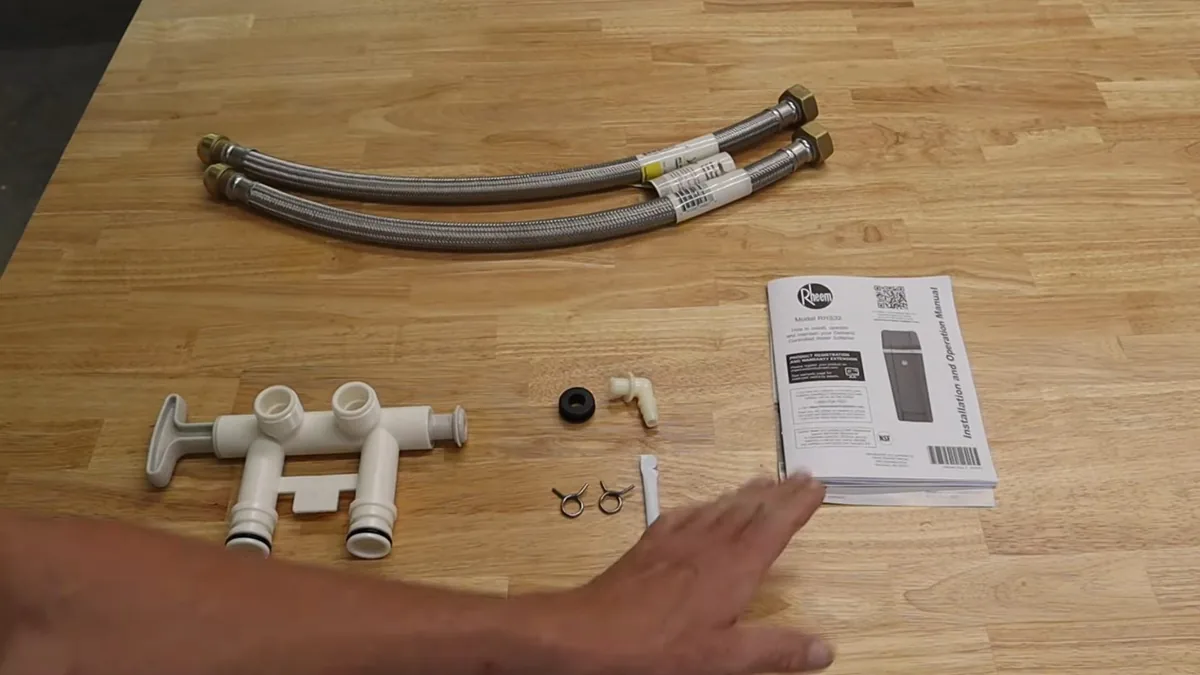
Repair, replace or wait: how the age of the heater changes the answer
Whether a repair makes sense depends on the age of the unit, the cost of the part, and what else is likely to fail soon. A new igniter on a heater in good shape is a sensible repair. The same part on a heater that is leaking at the base is a poor use of money. Ask for both numbers and compare them on paper.
The data plate on the side of the tank carries the model and serial numbers, and the manufacturer's literature explains how to read the manufacture date from the serial number. Send the plumber a photograph of the plate when you call, since it saves time and helps decide whether a part is available.
Waddell's housing stock is relatively new, which has a practical consequence. A subdivision directory lists Cortessa homes built from 2005 to 2012 and White Tank Foothills from 2007 to 2022, while Granite Vista and Northern Farms date from 2016 to 2024. Homes in the older groups may still have their first heater, and heaters that old are the ones that tend to leak.
Everyday repair covers thermostats, elements, igniters and fittings, and servicing keeps the unit working between repairs. When a repair is not worth making, installation of a new unit is described on the installation and replacement page, including high efficiency models. Comparing a leaking tank versus a leaking fitting, the fitting is the smaller problem to fix.
A tank heater may also have an expansion tank, a small pressurized vessel on the cold supply that absorbs the pressure rise as water heats. If its air charge fails, the relief valve may drip and fittings may weep, and swapping a small tank costs a fraction of a new heater.
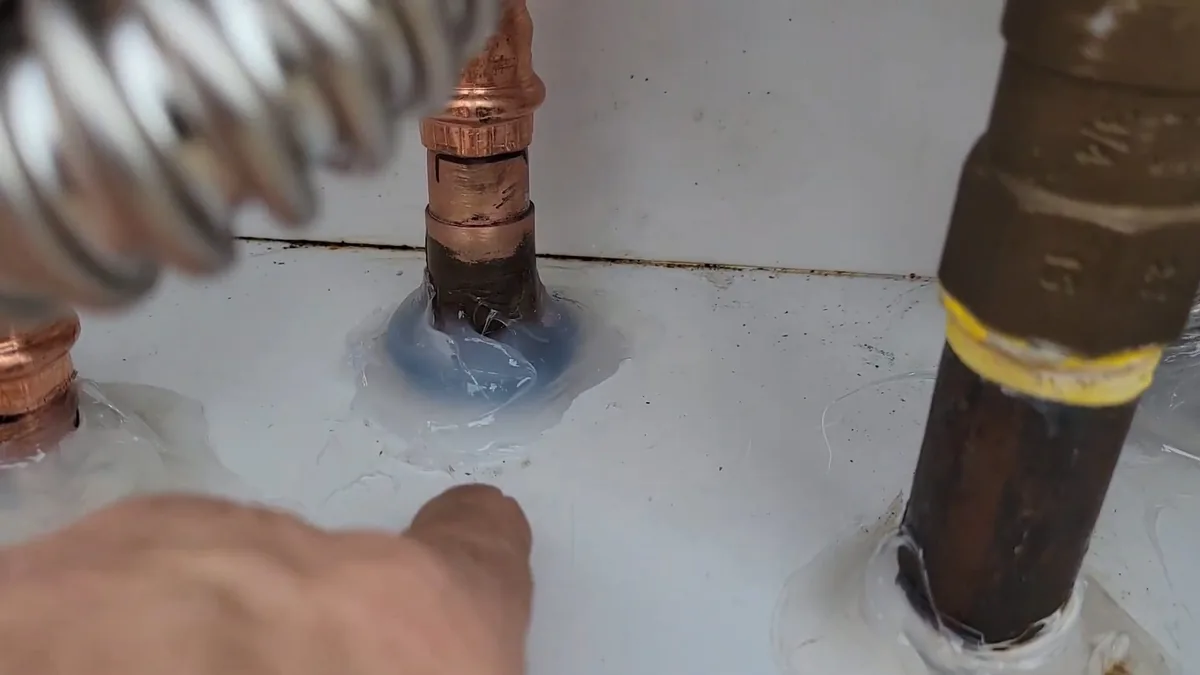
What a plumber checks on a no-hot-water call
The plumber begins with the symptom and the heater type. The plumber checks power or gas supply, the controls, the heating parts, the relief valve and the tank for leaks, and then reports what failed and whether the part is available. A good report is specific enough that you could explain it to someone else.
- Confirm the supply. Breaker, gas valve, cold water inlet and pilot are the first checks.
- Test the parts. Thermostats, elements, igniter, thermocouple and gas valve each have a test.
- Look for leaks. Fittings, relief valve, drain valve and the base of the tank.
- Explain the choice. Repair, replacement or a short wait, with the reasons.
A same-day visit is possible when the schedule allows, and the emergency plumbing line is answered day and night. A plumber can say honestly whether a cold shower can wait until morning, or whether a leaking tank should be shut off tonight.
Sources: EPCOR 2025 water quality reports; Russell Shaw Group, Waddell subdivisions. Accessed 2026-11-09.
Not sure whether to repair or replace? Ask a plumber to look
Share the heater's age, its fuel type and the symptom. A plumber can tell you what is worth repairing and what is not.
Water heater repair questions answered
The water heater stopped working. What should I do now, and what can wait?
Do now: if it is leaking, close the cold water valve above the heater and shut off the gas or power. If you smell gas, leave and call the gas utility from outside. Can wait: a lukewarm shower, a noisy tank or a pilot that went out once, which a plumber can look at at the next opening.
A dripping relief valve, scorch marks or a tank bulging at the seams should not wait.
Can a plumber repair a hybrid heat pump water heater?
A hybrid unit that stops making hot water, trips an error code or leaks near the base is a different system from a standard tank, with a compressor, a fan and electronics on top of a tank.
Some faults, such as a clogged condensate drain, a tripped breaker or a leaking fitting, are plumbing repairs, while sealed-system and control-board faults may need the manufacturer's service network. Ask the plumber at the first call which category your symptom falls into.
Should I get a tall or a short water heater?
A tall heater is the common shape and fits most utility closets and garages. A short, wide model, often called a lowboy, suits tight spaces with limited height.
Pick a tall unit when there is room above it, and pick a lowboy when a ceiling, a shelf or a door swing limits the height. Both repair in the same way, and the plumber can check clearances and venting for a gas model before anything is ordered.
How does hard water affect a water heater in the Waddell area?
Mineral scale settles on the tank bottom and coats elements, and the Agua Fria system's range in EPCOR's 2025 report is wide, from 2 to 17 grains per gallon.
The scale insulates the water from the heat source, so the heater works harder and may rumble. An annual flush and a periodic anode rod check slow the process. Where a different provider serves the address, ask that provider for its figure.
How long should a water heater last?
Waddell homes were largely built from the mid-2000s onward, with some subdivisions dating from 2005 and others still being built, so many original heaters are now well into their later years.
The practical step is to find the serial number on the data plate and read the manufacture date from the manufacturer's literature. Combine that with the heater's condition and any leaks to decide between repair and replacement, and ask the plumber for both options.
Water heater down in Waddell? Describe the symptom and call
Say whether the unit is gas or electric and what it is doing. Dispatch answers day or night, and same-day visits are offered when the schedule allows.
- Licensed and insured plumbers
- Same-day service when available
- 24/7 emergency dispatch