
24/7 Emergency Line Open
Emergency Slab Leak Detection in Waddell, AZ: Warm Floors, Wet Concrete and Rising Bills
When you call about a suspected slab leak, the dispatcher asks three things: where in the house the floor feels warm or damp, what the water meter does with everything off, and whether you know if the home sits on a concrete slab at all. The last answer matters more than most people expect.
A slab leak is a break in a water line that runs in or beneath the concrete floor. The water has nowhere obvious to go, so the signs are indirect: a hot spot on tile, a hiss at night, a bill that climbs. A plumber serving your area locates the line before anything is cut.
- Licensed and insured plumbers
- Same-day service when available
- 24/7 emergency dispatch
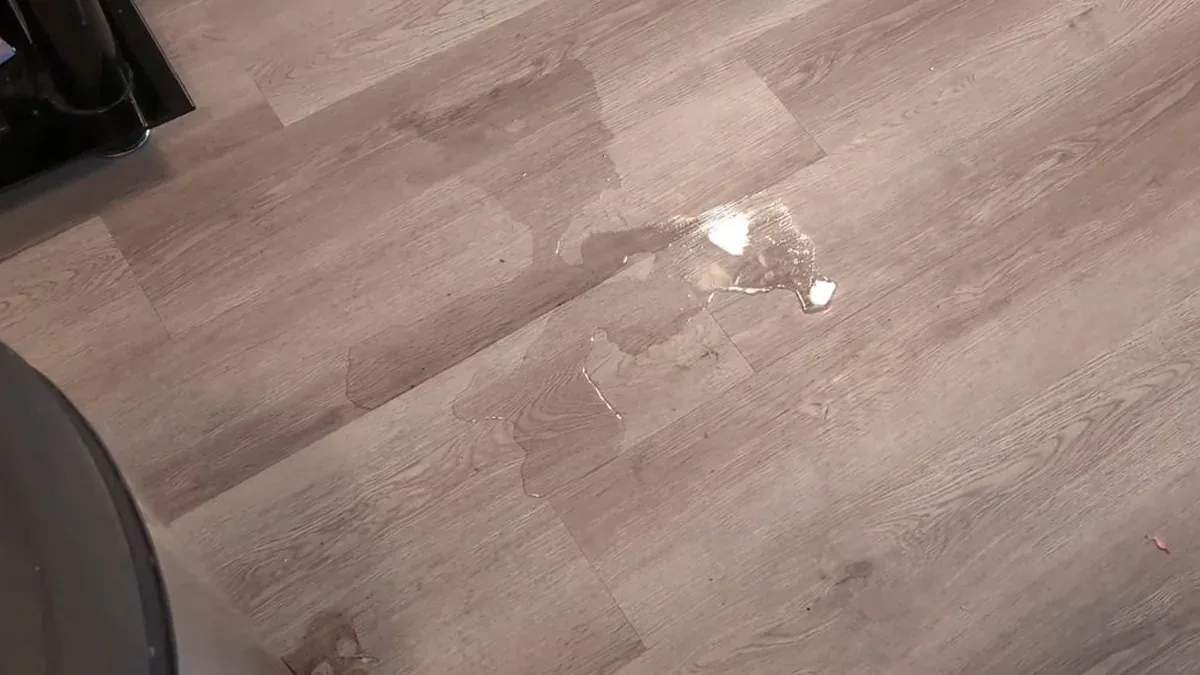
Slab leak detection: how a plumber locates a leak under concrete
Concrete hides everything, so detection is a process of elimination. The plumber confirms the leak is real, works out which line it sits on, and narrows the spot to a patch of floor small enough to open with confidence. Guessing at a slab is how a single leak turns into three holes.
- Meter test. With every fixture off, a moving meter confirms water is escaping downstream of it.
- Isolate the system. Closing valves on the hot and cold sides, and on the water heater, shows which line is losing pressure.
- Listen. A ground microphone or acoustic sensor picks up the sound of pressurized water escaping, and the loudest point on the floor marks the likely spot.
- Confirm with a second method. Thermal imaging picks up the warm trail of a leaking hot line, and a line tracer follows the pipe path so the mark lands on the pipe and not beside it.
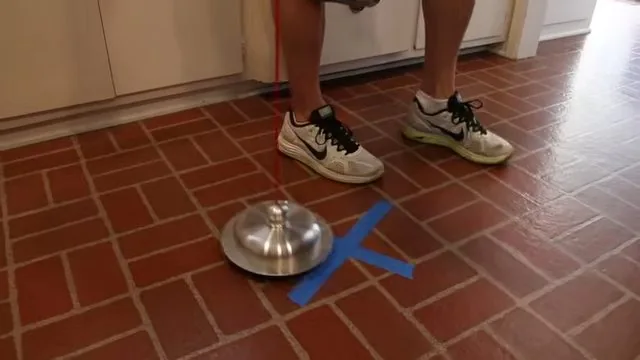
Ask what will be marked on the floor and whether you get a photograph and a note of the pipe location. That record is useful if the repair or a later claim needs to show where the line failed. If the home may have post-tension cables inside the slab, the plumber should say so and scan for them before any cutting begins, because those cables are under tension and are not meant to be nicked.
Slab leak repair: the choices once the leak is located
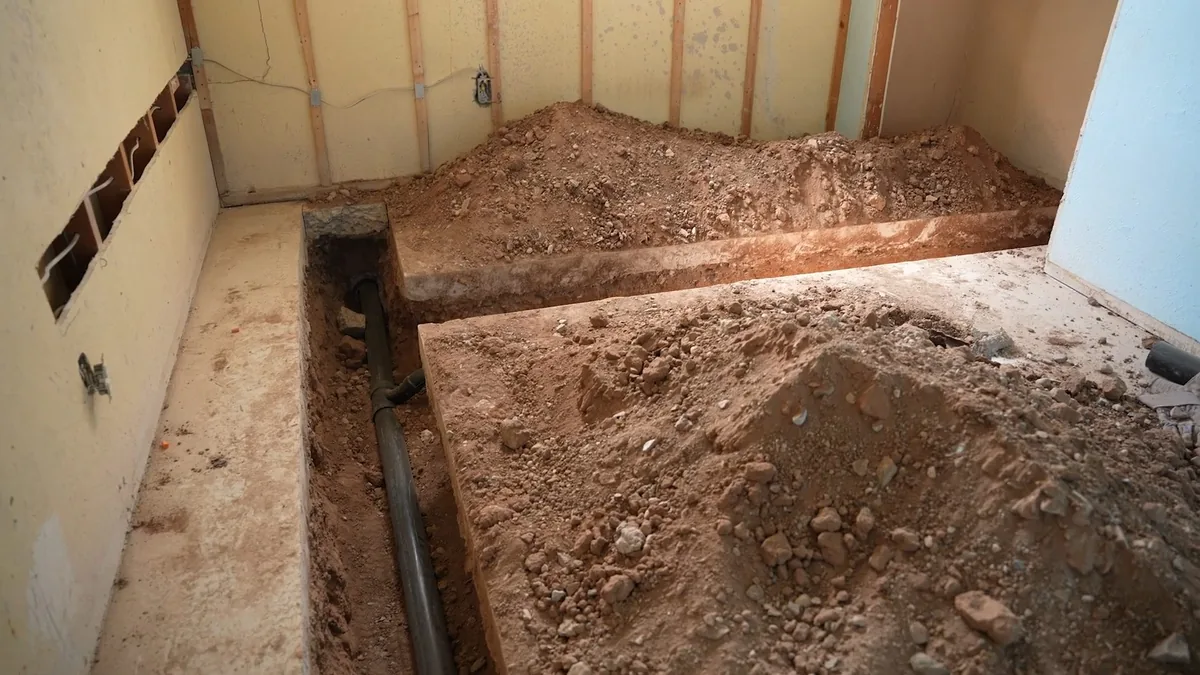
Four repair paths exist, and the right one depends on the leak count, the pipe material and how much of the floor and cabinetry the work would disturb. A single clean failure in an otherwise sound line points toward a spot repair. A line that has failed more than once points toward replacing the line rather than patching it again.
| Method | What it involves | When it tends to fit | Trade-off |
|---|---|---|---|
| Spot repair through the slab | Opening the concrete over the leak, repairing the pipe, then patching the floor | One leak in a line that is otherwise sound | Opens the floor; flooring over the patch may not match |
| Reroute | Abandoning the leaking line and running a new one overhead or through walls | A line with repeated failures, or a floor you want to leave intact | Adds wall or ceiling openings that need patching |
| Pipe lining or epoxy | Coating the inside of a line to seal small leaks without opening the floor | Select lines in workable condition | Not suited to every pipe; ask about the material and the limits |
| Repipe | Replacing the whole supply system | Several leaks, or old pipe throughout | Largest job; see repiping and pipe repair |
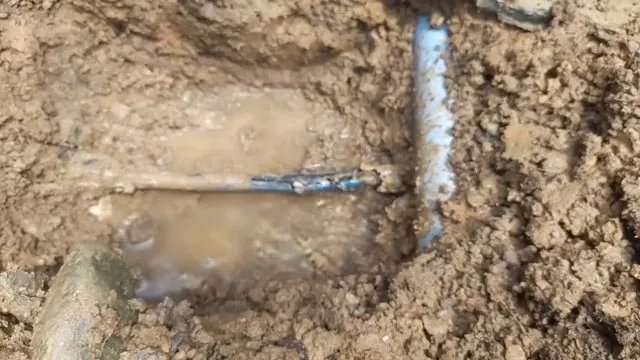
Whichever route is chosen, ask for the plan in writing: which line is being replaced, where the openings will be, who patches concrete and flooring, and what happens if a second leak turns up in the same line. Trenchless methods are worth asking about, and a plumber should be able to say plainly whether your line qualifies.
Floor warm, bill climbing? Call before the leak grows
Say which rooms feel warm or damp and what the meter does with everything off. Dispatch will say whether the situation calls for a visit today or a booked time.
Warm floors, wet concrete and cracked tile: when the foundation question comes up
Water under a slab does not stay put forever. A leak that runs for months can soak the ground beneath the concrete, and homeowners reasonably wonder whether the structure suffers. The plumber's job is to stop the water, and whether the soil or foundation needs a second look is a question for a structural engineer, not for a plumbing visit.
Some signs deserve that second opinion: new cracks in tile or drywall that follow a line across several rooms, doors that began sticking after the leak started, or a gap opening between slab and wall. None of these proves a plumbing leak caused damage, since concrete cracks for many reasons. They are reasons to ask for an engineer's opinion once the leak is repaired.
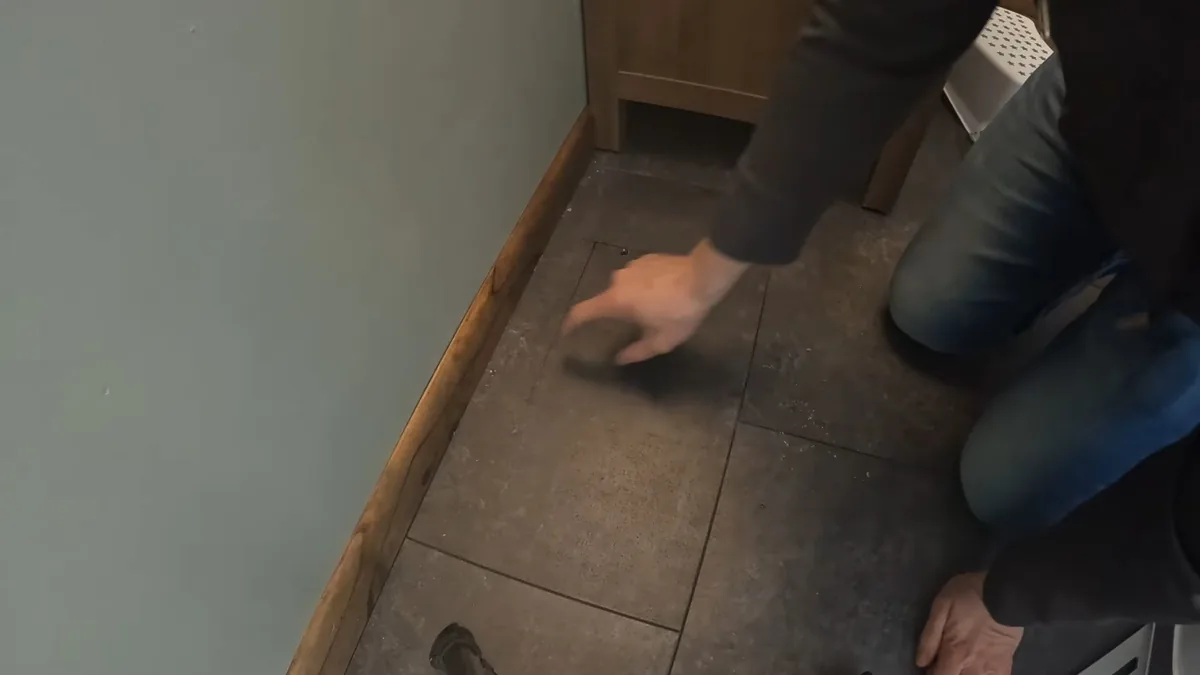
Wet carpet, a damp garage floor or water seeping up at a wall base is not always a slab leak. A leak inside a wall, a failed appliance line or a roof leak can produce the same picture.
Cracks near a damp floor? Get the leak located first
Repairs to tile, drywall and concrete wait until the water stops. Call, say where the cracks and damp spots are, and ask what the first visit would cover.
Not sure the home sits on a slab? Confirm what you have first
Nothing on this page assumes a particular foundation, because the Waddell area includes homes built across more than six decades. Homes.com lists 2007 as the median year built for homes in the Waddell neighborhood, while Sun City homes date from 1960 and Sun City West from 1978. A home from any of those eras may sit on a slab, a raised floor or something else, and the foundation type for a given address is not something this page can state for you.
- Look for a crawlspace hatch, a vented stem wall or steps up to the entry
- Check the original plans or the builder's documents
- Ask the plumber to confirm during the first call or visit
- Note where the water lines enter the home and whether any run inside walls or overhead
If the lines run overhead through the attic or inside walls, the leak is less likely to be a slab leak at all, and the general leak detection page describes how those searches work. Starting with the right question saves a visit.
Insurance, damage and the next call
Policies treat slab leaks in different ways, and the wording on sudden versus long-term leakage varies. Read yours or ask your insurer before the repair, and ask the plumber for a written report of where the line failed and how it was found. Detection costs, access costs and the plumbing repair itself may be treated separately, so ask each question on its own.
To find a slab leak while it is small, watch the meter and the floors. The benefits of repairing a slab leak early are practical: a hidden leak stops soaking the ground under the floor, the bill stops climbing and the flooring above stays dry. Residential slab leaks turn up in homes of any age, including newer homes, so age alone does not rule one out. An under-slab line that has failed may be rerouted instead of opened, and a foundation leak inspection is worth requesting if cracks appear, because stability questions belong with a structural engineer. Ask about insurance claims assistance too, meaning the written report a plumber can supply.
If water reached flooring, cabinets or drywall, drying comes next, and the water damage restoration page explains when professional drying makes sense. If the leak turns out to sit on a line in the yard instead, the answer may be on the water line repair page. Ask the permit office that covers your address whether the repair needs a permit, since addresses in Waddell fall under either the City of Surprise or Maricopa County.
For a leak that started at night or on a holiday weekend, the emergency plumber line takes calls around the clock, and a plumber serving your area decides whether the visit can happen the same day when one is available.
Sources: homes.com, Waddell neighborhood; 55places, Sun City; City of Surprise permits. Accessed 2026-11-09.
Slab leak questions answered
What does a slab leak look like?
Check these in order: 1. A warm patch on a floor where no heating exists. 2. The sound of running water when every fixture is off. 3. A meter that turns with everything closed. 4. Damp carpet, baseboard or tile grout near an exterior wall. 5. A water bill that rises with no change in use.
One caution: stains or dampness alone do not prove a slab leak, since wall, appliance and roof leaks can look the same. A plumber confirms with a meter test and listening tools before concluding anything.
A slab leak is suspected. What can wait and what cannot?
If water is visibly surfacing, close the main valve and call the same day. A warm floor or a rising bill with no visible water can usually be handled in the next day or two, but do not leave it for weeks, since the water keeps running and the bill keeps rising.
Keep furniture off the affected floor, take photographs of the meter and the damp area, and write down when you first noticed the signs.
What are my options besides breaking the slab?
Callers often describe a damp bedroom floor and a hissing sound, then ask whether the whole floor has to come up. It does not always. A reroute abandons the leaking line and runs a replacement overhead or through walls, pipe lining seals a line from the inside where the pipe suits it, and a spot repair opens only the area above the leak.
Each option trades floor disruption against wall or ceiling work, and a plumber can tell you which apply once the leak and the line are identified.
Suspect a slab leak in Waddell? The line is open
Call, describe the warm spot or the meter reading, and ask whether the home is likely on a slab. Dispatch answers at any hour, weekends and holidays included.
- Licensed and insured plumbers
- Same-day service when available
- 24/7 emergency dispatch