
24/7 Emergency Line Open
Emergency Sewer Line Repair in Waddell, AZ: Backups, Cracked Pipe and Replacement
Many people assume a sewer backup means a clog that a bigger plunger or a store-bought cable will fix. Sometimes it does. Often the stoppage is a symptom of a line that has cracked, sagged or filled with roots, and clearing it only buys a few weeks.
Sewage that rises in a tub, shower or floor drain is a health problem as well as a plumbing one. A plumber serving your area finds the cause with a camera, explains what the picture shows and lays out the repair options before any digging is proposed.
- Licensed and insured plumbers
- Same-day service when available
- 24/7 emergency dispatch
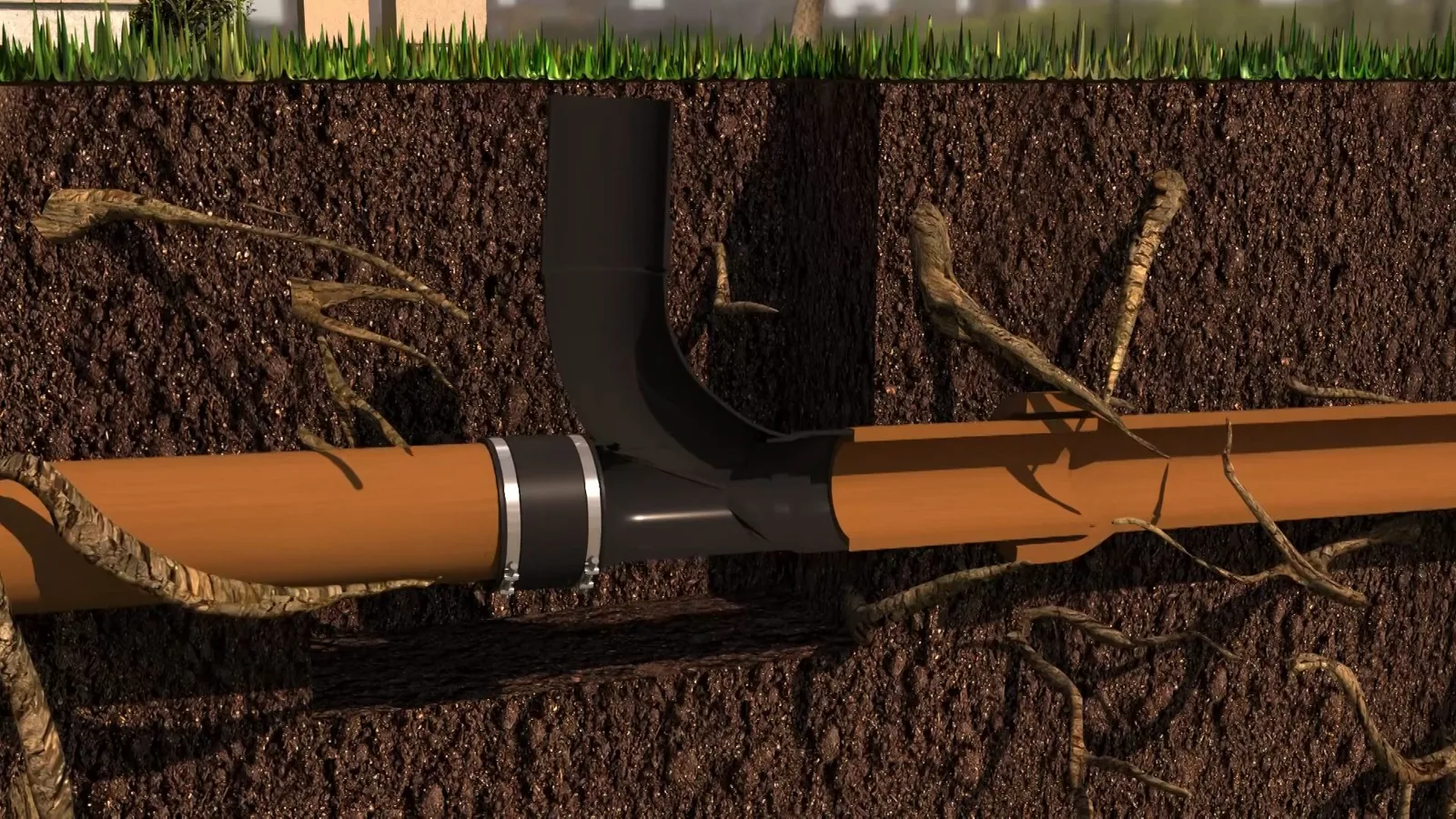
Get a camera on the line before anyone digs
A sewer scope is a small waterproof camera on a flexible rod, fed into the line through a cleanout or a removed toilet. The plumber watches the screen as it travels and notes the distance to every problem. That record turns an argument about what might be wrong into a list of what is.
The picture shows things a cable cannot: a belly where the pipe sags and holds water, a joint that has shifted, roots threaded through a seam, scale narrowing the bore. A locator at the surface can then mark the exact spot above the pipe, so a repair opens a few feet of ground and not a whole yard.
- Ask for the recording. A copy of the video or a set of stills is useful for the repair plan and for any later sale or claim.
- Ask for the distance. Footage is measured from the cleanout, so each defect has a location you can find again.
- Ask what was not seen. A camera that stops at a blockage has not inspected the line beyond it.
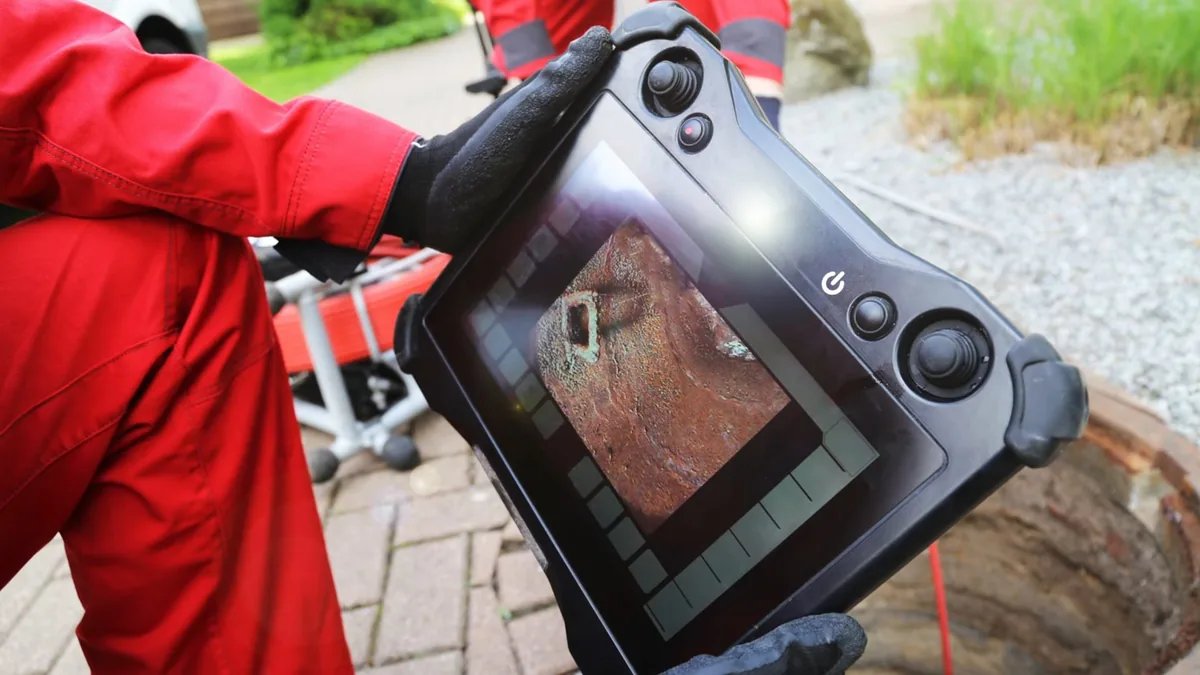
Waddell trenchless sewer repair: lining, bursting and when a trench is still needed
Trenchless methods repair a line with little or no open excavation. Pipe lining pulls a resin-saturated sleeve through the old pipe and cures it into a new inner wall. Pipe bursting pulls a new pipe through the old path while breaking the old one apart. Both can leave a driveway, a patio and a lawn largely intact.
They do not suit every line. A badly collapsed or heavily bellied pipe may not accept a liner, and a line with sharp bends or many failed joints can call for a conventional trench instead. The camera recording decides, and a plumber should be able to explain why one method fits your line and another does not.
Trenchless tends to fit when
- The line is cracked or leaking but still open
- Surface features such as slabs, trees or hardscape are in the way
- The run is straight enough to feed a liner or a bursting head
An open trench tends to fit when
- The pipe has collapsed or sags badly
- The path has sharp turns or multiple failed joints
- Only a short, shallow section needs replacing
Ask about warranty terms, the length of the section being replaced and what restoration of the surface is included. The answers differ by method, and the quotes are only comparable once each lists the same scope.
Sewage in a drain or a gurgling toilet? Call before it spreads
Describe what you see and which fixtures are affected. Dispatch tells you whether to stop using water and whether a plumber should come tonight.
Find out who owns the lateral before you pay for it
The lateral is the pipe that carries waste from the house to the main sewer line. Where homeowner responsibility ends and a utility's begins varies by provider and by address, and the dividing point is usually described in the provider's own service rules. Ask for it in writing before agreeing to a repair on a line you may not own.
The Waddell area is split between the City of Surprise and unincorporated Maricopa County, and the two have different permit offices. Before work that opens the ground or replaces a section of pipe, check with the office that covers your address, and call Arizona 811 before any digging begins.
If you are not sure whether your home connects to a municipal sewer or to a private septic system, confirm that first. The answer changes who is responsible, which repairs apply and who should be called, and nothing on this page assumes one or the other.
Waddell sewer line repair: cracked joints, root intrusion and sagging sections
Most sewer repairs are spot repairs. A cracked joint can be cut out and replaced, a section with root damage can be repaired once the roots are removed, and a sagging section can be lifted and re-bedded. Each fix is limited to the defect the camera found, which keeps the cost and the surface damage down.
A spot repair is the right call when the rest of the line is sound. When the camera shows defects along most of the run, patching one spot leaves the next failure waiting a few feet away. A plumber who walks through the recording with you can say honestly which situation you are in.
Older lines may be cast iron, clay or bonded fiber known as Orangeburg, and any of them can fail in its own way. Rather than guess, ask the plumber to name the material from the camera view and to explain what that material usually does as it ages.
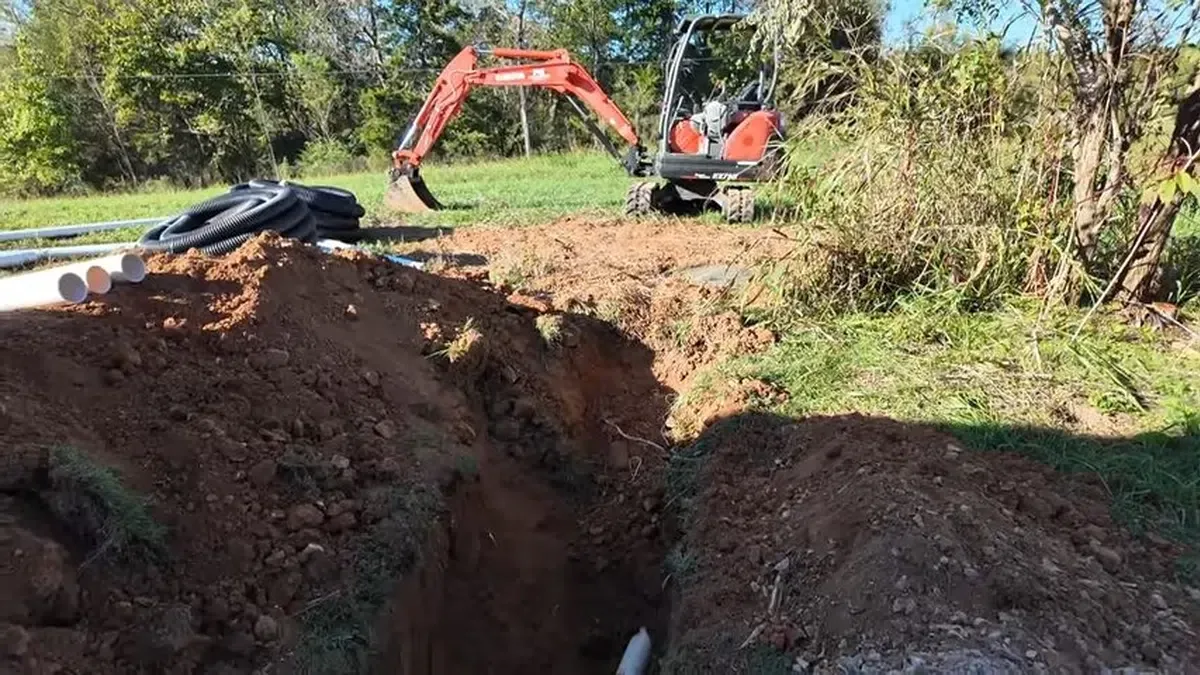
Gurgling drains, sewer odors and backups: when cleaning the sewer is enough
Not every sewer problem needs a repair. A line blocked by grease, a wad of wipes or a plug of roots can often be cleared with a cutting head or hydro jetting and then inspected. If the camera shows a sound pipe, cleaning may be all that is needed, and routine clog clearing is described on the drain clearing service page.
Warning signs that point to the main sewer line include several fixtures backing up together, a toilet that bubbles when a washer drains and a sewer smell near a floor drain or cleanout. A dry trap can cause odors too, so a few cups of water poured down an unused drain is a harmless first test.
If the cleanout cap in the yard or garage is the lowest opening in the house, it can be the first place sewage appears. Do not open a cleanout under pressure; call and say you have seen water or sewage near it.
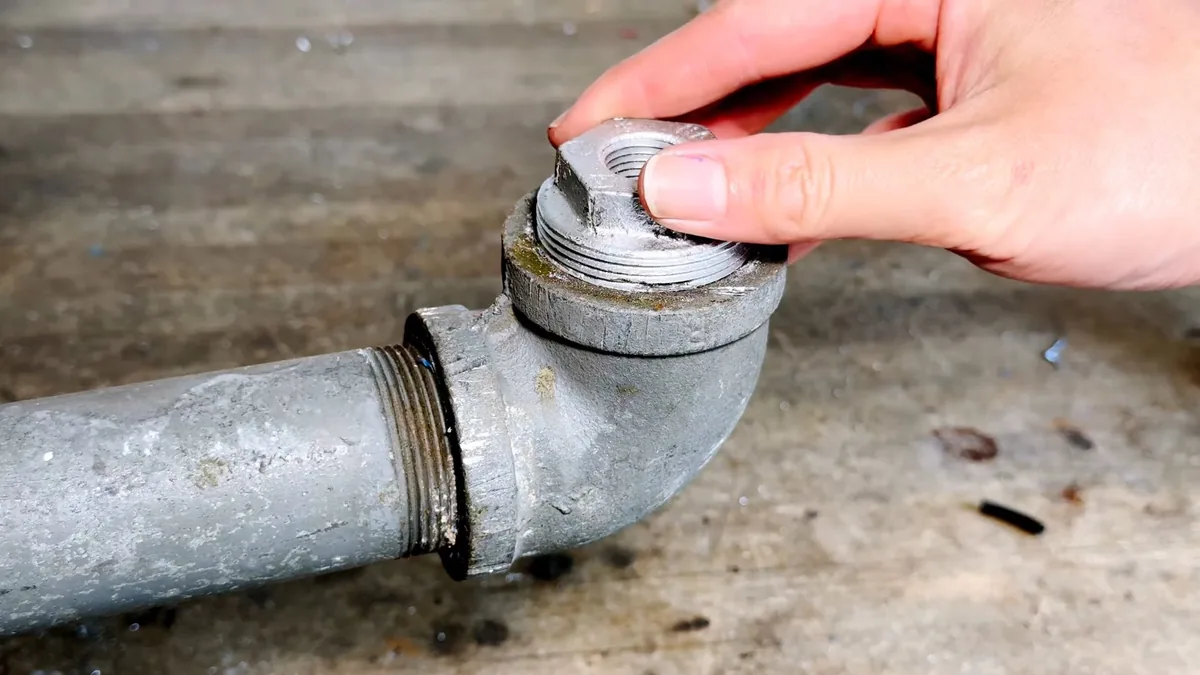
When does a sewer line need replacing instead of repair?
Replacement becomes the sensible choice when a line has failed in several places, when it has collapsed, or when the pipe material has reached the end of its useful life. Replacing the whole run once costs more up front than patching, but it avoids a pattern of repeat visits and repeat bills.
Ask the plumber to compare the two paths using the recording: what a spot repair would cover, what it would leave behind, and what full replacement would involve in terms of permits, surface restoration and warranty. A plumber who recommends the larger job should be able to show you why on the screen.
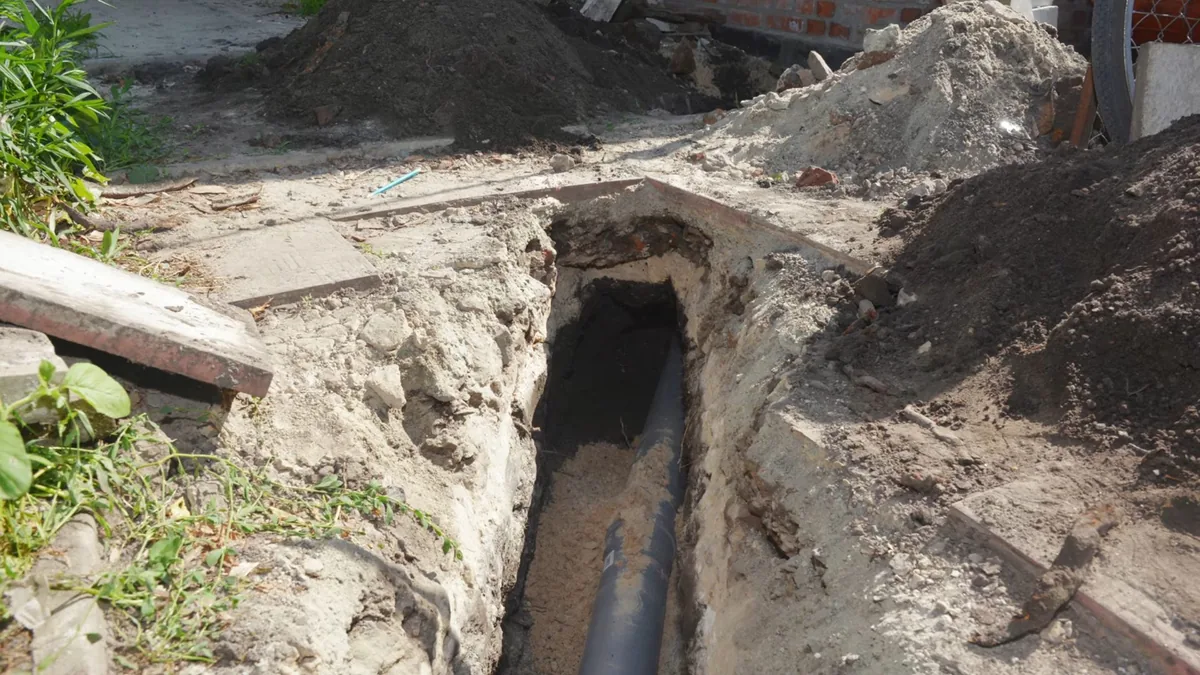
To replace a sewer line, the plumber opens a trench along the old path or pulls a new pipe through it, then reconnects the house and the main and tests the new run. A new sewer line installation follows the same permit steps, and the process ends with a camera pass to confirm the new pipe is sound.
Relining before replacement is possible where the old pipe is still open. A mainline problem found early often costs less to deal with than one found after a backup, and sewer leak detection starts with that same camera and a locator. Open trench work is the older approach, and it still fits where the pipe has collapsed or where a short section needs replacing.
After a backup, the water that reached floors or walls needs attention too. Drying and cleanup are separate work, and the water damage restoration page explains how professional drying is handled. A call to your insurer about sewage coverage is worth making before cleanup starts, since policies treat backups differently.
For a sewer problem that cannot wait, the 24/7 emergency dispatch line is open every hour of the day, and same-day visits are offered when an opening exists.
Sources: City of Surprise permits and inspections; Arizona 811. Accessed 2026-11-09.
Not sure what is wrong with the line? Get it scoped
Tell dispatch what the drains are doing and how long it has been going on. A camera visit comes first, and repair options follow from what it shows.
Sewer line questions answered
Sewage is coming up in a tub or floor drain. What should I do?
Backups usually show first in the lowest drain of the house, a floor drain or a ground-level tub, because that is where the water finds the shortest path out. The causes range from a main line clog to a collapsed or root-filled section.
Stop using water, keep children and pets away from the area, and call right away. Do not run the washer, dishwasher or shower, since every gallon adds to the backup. Photograph the area before cleanup starts.
Should the sewer be cleared through the cleanout or from a fixture?
The cleanout is usually the better access point, because it opens directly into the main line. Clearing through a fixture works for a single branch but cannot reach the whole line.
Choose the cleanout when several fixtures are affected, when sewage appears in the lowest drain, or when a camera is needed to view the pipe. Choose a fixture only when one drain is slow and the rest of the house runs normally.
Who do I call for a clogged sewer line?
A licensed plumber who has a camera and cable equipment is the right call, since a sewer clog may be a symptom of pipe damage that a cable alone will not reveal.
A utility may handle blockages in the public main, but the line from your house to that main generally falls to a plumber and, depending on the address, to you. Ask which section is yours before the work starts.
Does where I live in the Waddell area change how a sewer backup is handled?
The Waddell area spans the City of Surprise and unincorporated Maricopa County, and the two have different permit offices, so the office to ask about a sewer repair depends on your address.
After a backup, stop using water, keep people away from the affected area and call. When a repair will open the ground, check with the permit office for your address and call Arizona 811 before digging.
Is a sewer camera inspection worth it?
A camera visit makes sense when: 1. A line has clogged more than once. 2. Several fixtures back up together. 3. You are buying or selling a home and want to know the line's condition. 4. A repair is being quoted and you want to see why.
One caution: a camera cannot see past a full blockage, so the line may need clearing first. Ask the plumber what part of the line the recording covered.
Can a plumber locate a sewer line without digging up the yard?
A homeowner notices a soft, damp patch in the yard and a smell near the cleanout, but has no idea where the pipe runs. A camera with a locator transmitter answers both questions without any digging.
The transmitter in the camera head sends a signal that a receiver picks up at the surface, so the plumber can mark the line's path and the depth at each defect before any ground is opened.
Sewer trouble in Waddell? A plumber can scope it today when open
Say which drains are backing up and what you have seen. Dispatch picks up day or night, and the first step is finding the cause.
- Licensed and insured plumbers
- Same-day service when available
- 24/7 emergency dispatch