
24/7 Emergency Line Open
Emergency Repiping and Burst Pipe Repair in Waddell, AZ: Pinholes, Old Copper and Corroded Lines
A common assumption is that one leaking pipe means one repair and then the problem is over. Sometimes that is true. When a second pinhole appears a few feet from the first, or a section of pipe looks green or flaky, the pipe itself is wearing out, and each patch simply moves the failure along.
Repiping replaces the supply lines inside a house, and pipe repair fixes one failed section. A plumber serving your area looks at how many leaks there have been, where they sit and what the pipe is made of before saying which job you need.
- Licensed and insured plumbers
- Same-day service when available
- 24/7 emergency dispatch
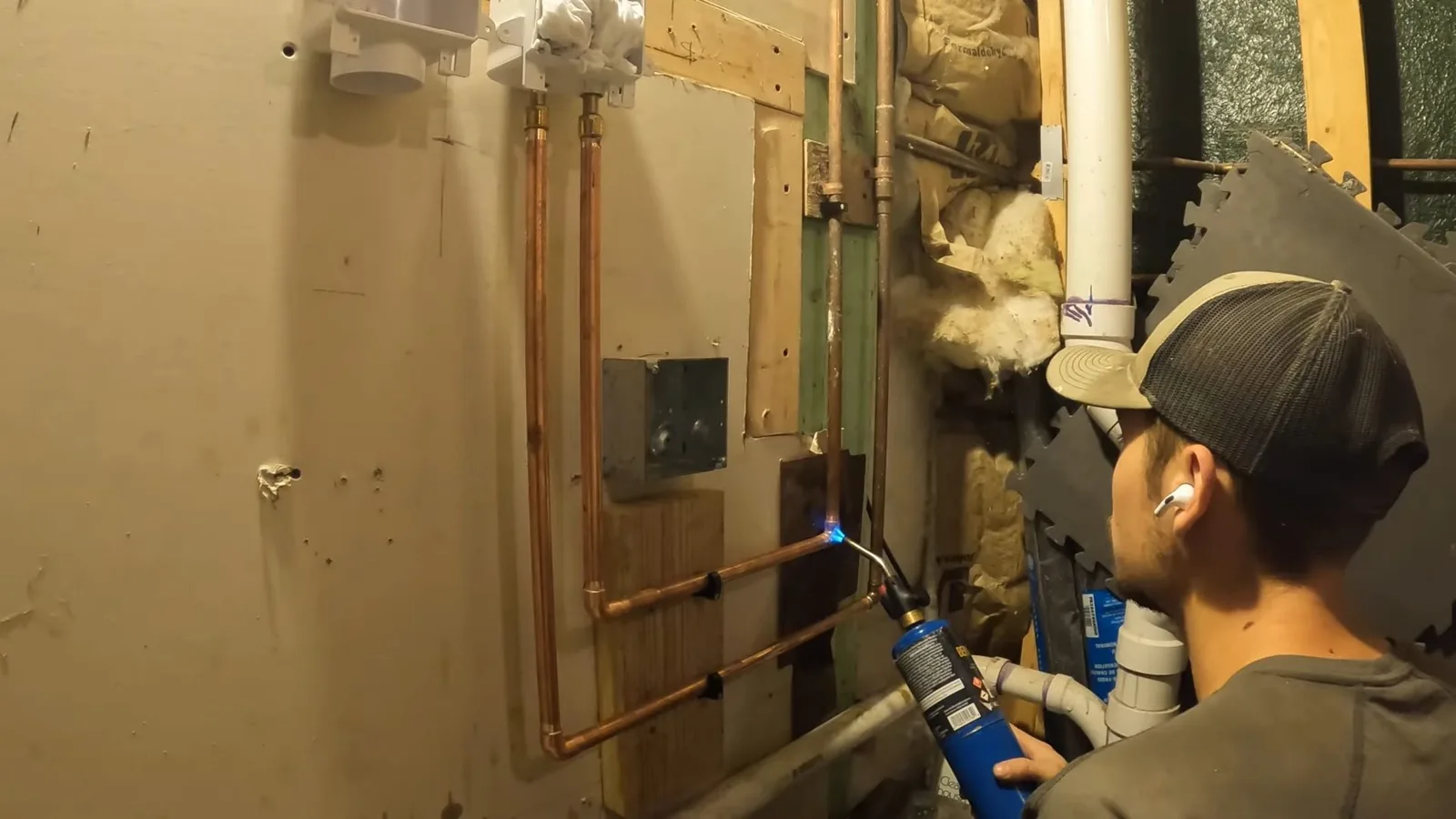
Plan a whole-house repipe when patches stop holding
A whole-house repipe replaces the hot and cold supply lines from the main shutoff to every fixture. It is a larger project than a spot repair, and it is the right answer when the same system keeps failing: repeated pinholes, widespread corrosion, low flow from narrowed pipes or rust-colored water at several fixtures.
The work is planned in phases. The plumber maps the existing lines, chooses a new pipe material, opens the walls and ceilings only where access is needed, runs the new lines and connects every fixture. Water is off for part of a day or more, and the plumber should say how long before starting. Drywall patching is normally a separate step.
- Assess. Pressure test, camera or visual inspection and a count of known leaks.
- Plan. Pipe material, routing, access points and permit questions.
- Replace. New lines run and connected, old lines capped or removed.
- Test and restore. Pressure test, fixtures checked, wall openings closed.
Whether a repipe needs a permit turns on the address, because some Waddell homes fall under the City of Surprise and others under Maricopa County. Have the plumber name the office contacted and say who files.
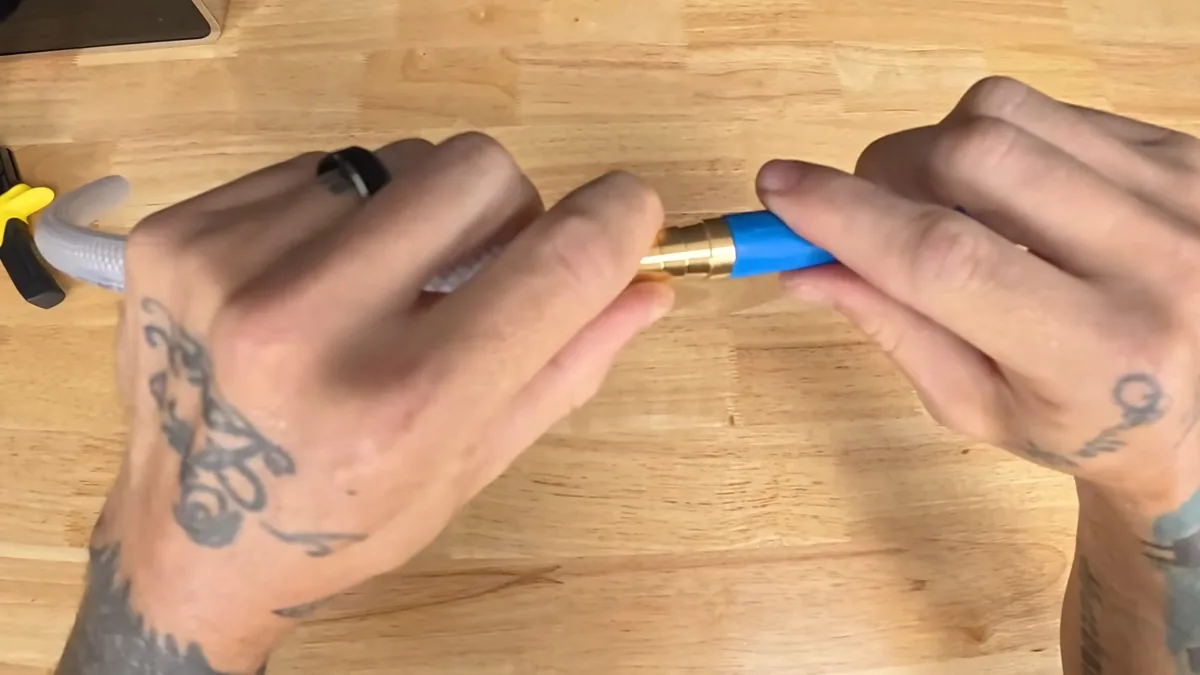
Pipe replacement: when the failed section is the only problem
Replacing a single run is the middle path between a patch and a repipe. A plumber cuts out the failed section and runs new pipe to the nearest sound connection. It suits a line with one clear failure, a leak behind a fixture or a section damaged during other work, and it leaves the rest of the system alone.
The question to ask is how much sound pipe remains. If the plumber finds the pipe on either side of the cut looking thin or scaled, a longer replacement may save a return visit. A photograph of the exposed pipe helps you judge the decision for yourself.
Older neighborhoods nearby raise the question more often. Sun City homes date from 1960 to 2016, Sun City West homes from 1978 to 1997 and Youngtown from 1954, according to community listings. Pipe material in any of them is a matter for inspection, not assumption, and a plumber should tell you what was actually found.
Second leak in the same line? Get the pipe looked at
Tell dispatch where the earlier leaks were and what the pipe looks like. A plumber can decide whether a repair or a larger job fits.
Copper pipe: green stains, pinholes and thin walls
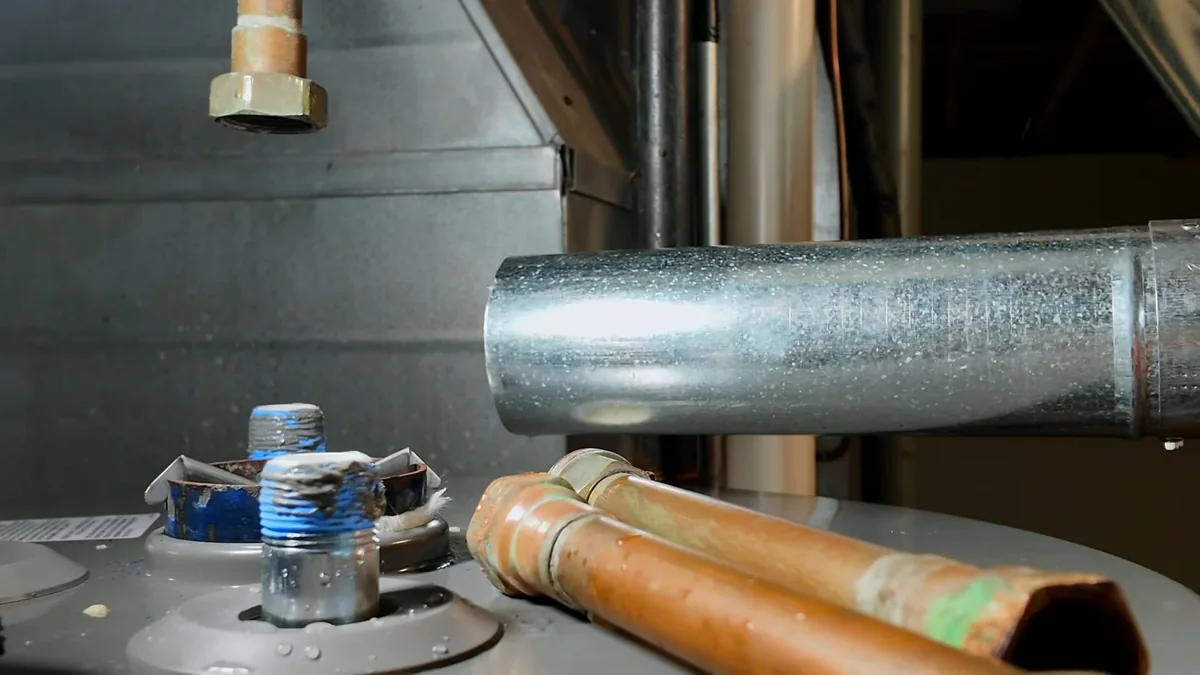
Copper can last a long time, and it can also fail in small ways. Green or blue crust at a joint, a spray from a pinhole no bigger than a pin and pipe that feels rough or thin when cut are the usual signs of a line near the end of its life. One pinhole is a repair. Several in a short time is a reason to look at the whole system.
Pinhole leaks are easy to miss. They may appear as a damp spot on a ceiling, a stain behind a cabinet or a slow rise in the water bill. The leak detection service page describes how a plumber confirms where the water is going before anything is opened.
Replacement choices include new copper, cross-linked polyethylene known as PEX, and in some cases CPVC. Each has trade-offs in cost, installation method and how it handles the water. Ask the plumber to explain why one fits your house and to name the material on the quote.
Galvanized, polybutylene and cast iron: identifying what you have first
Galvanized steel, polybutylene plastic and cast iron appear in many older homes across the country, and some homes have none of them. Nothing on this page claims to know what is inside your walls. A plumber can identify the material by looking at an exposed section, and that answer should come before any repipe is priced.
Galvanized steel corrodes from the inside, which narrows the pipe and cuts the flow. Polybutylene was a gray plastic supply pipe used in some homes for a period, and it is often replaced when found. Cast iron is used for drain lines and not for water supply. If the plumber names one of these, ask what the finding means for the next five years.
Pipes under a concrete floor or buried in the yard raise a separate question. A slab leak may be fixed by rerouting the line instead of opening the floor, which the slab leak help page explains, and a buried supply line is covered on the water line page.
What do you do the moment a pipe bursts?
Water stops the quickest at the main shutoff valve, which is usually near the front hose bib or at the meter. Close it, then open the lowest faucet to drain the lines. Switch off power to any room where water has reached an outlet, and photograph the damage before moving anything.
Call a plumber right away for a burst line. The pipe will need to be repaired or replaced, and the sooner the water is off and the area is drying, the smaller the damage. The 24/7 emergency line is answered day and night, and a plumber can often say on the call whether a visit today is realistic.
Water that reached walls, flooring or ceilings needs drying, and the water damage restoration page describes how drying is done. Keep the plumber's notes and your photographs for any insurance claim, since the wording on sudden bursts versus gradual leaks differs between policies.
Pipe burst or sprayed? Shut off the main and call now
Close the main valve, then tell dispatch where the water is and what has been turned off. A plumber decides how fast to come.
Pipe repair: fittings, joints and short runs
Many failures are at fittings, not in the middle of the pipe: a corroded joint, a cracked coupling, a failed shutoff valve. A plumber repairs these by cutting out the bad piece and installing new fittings. That is quick and limited, and it is the right job when the surrounding pipe is in good shape.
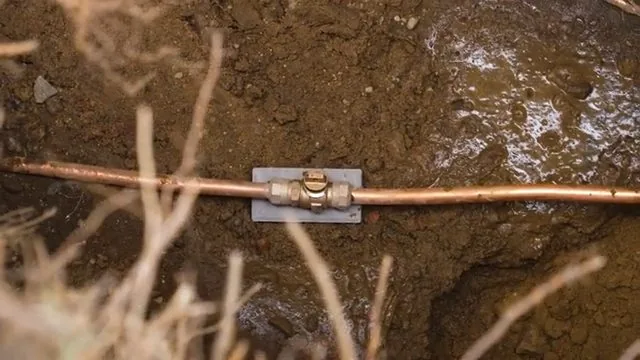
Whether the line runs underground or inside a wall, a break in PVC, copper or PEX pipework is handled through a process that starts with the shutoff and a pressure test. Residential repairs on severely worn or heavily patched lines are often better handled by replacing the whole run, since a deep patch can fail again beside the repair.
Pipe repair also covers lines that were damaged by other work, such as a nail through a wall or a shovel through a yard line. Ask for photos and a note of where the repair was made, and confirm whether the repaired section has any warranty.
Sources: 55places, Sun City; 55places, Sun City West; Arizona Commerce Authority community profiles; City of Surprise permits. Accessed 2026-11-09.
Repiping and pipe repair questions answered
A pipe burst in my house. What comes first, and what can be left for later?
First: close the main shutoff, open the lowest faucet to drain the lines, switch off power to wet outlets and call a plumber. Later: drywall and flooring repair, paint and insurance paperwork, which follow once the water is off and the area is drying.
Photograph the damage before moving anything, and keep the plumber's note.
Who do I call for a broken pipe?
A broken pipe usually shows as water spraying, a wet ceiling or a drop in pressure, and the cause may be a failed fitting, a pinhole or a pipe that has cracked.
Call a plumber for the pipe and, if water spread, a drying company for the damage. Dispatch can route the call, and both steps are covered on this site.
Should a leaking line under the slab be rerouted or repaired in place?
Two options exist. Repairing in place opens the floor over the leak, fixes the pipe and patches the concrete. Rerouting abandons the leaking line and runs a new one through walls or the attic.
Pick a repair when one clean failure sits in an otherwise sound line. Pick a reroute when the line has failed more than once or when you want to leave the floor alone. A plumber can compare them after locating the leak.
Piping repair and a cracked pump: are they the same job?
No. Piping repair covers the pipes and fittings. A cracked pump housing is an equipment repair, and the plumber can look at the pipe connections around it.
If the pump is a well, booster or sump unit, say so when you call, since the right visit depends on the equipment.
My copper pipes have pinhole leaks. Do I need a repipe?
The typical Waddell home is under twenty years old by the neighborhood's median build year, so a pinhole in a newer house may be an isolated repair.
Repeated pinholes at several places point to a system problem. A plumber can inspect the pipe walls and count the leaks, and a repipe becomes the practical answer when the count keeps climbing.
Failing pipes in Waddell? Call before the next leak
Tell dispatch how many leaks there have been, where they were and what the pipe looks like. Calls are picked up day or night.
- Licensed and insured plumbers
- Same-day service when available
- 24/7 emergency dispatch