
24/7 Emergency Line Open
Emergency Leak Detection in Waddell, AZ: Hidden Leaks, Wet Walls and High Water Bills
Call about a leak and the first questions are short: where did you see water, is the main valve closed, and has the meter moved since you last looked? Those three answers decide whether the job is an urgent repair or a search for something hidden.
This page is for the leak you cannot see: the ceiling stain that comes back after a patch, the floor that feels damp, the water bill that jumped with no new fixture in the house. A plumber serving your area finds the leak first, then repairs it.
- Licensed and insured plumbers
- Same-day service when available
- 24/7 emergency dispatch
Emergency water leak repair: what to do before anyone arrives
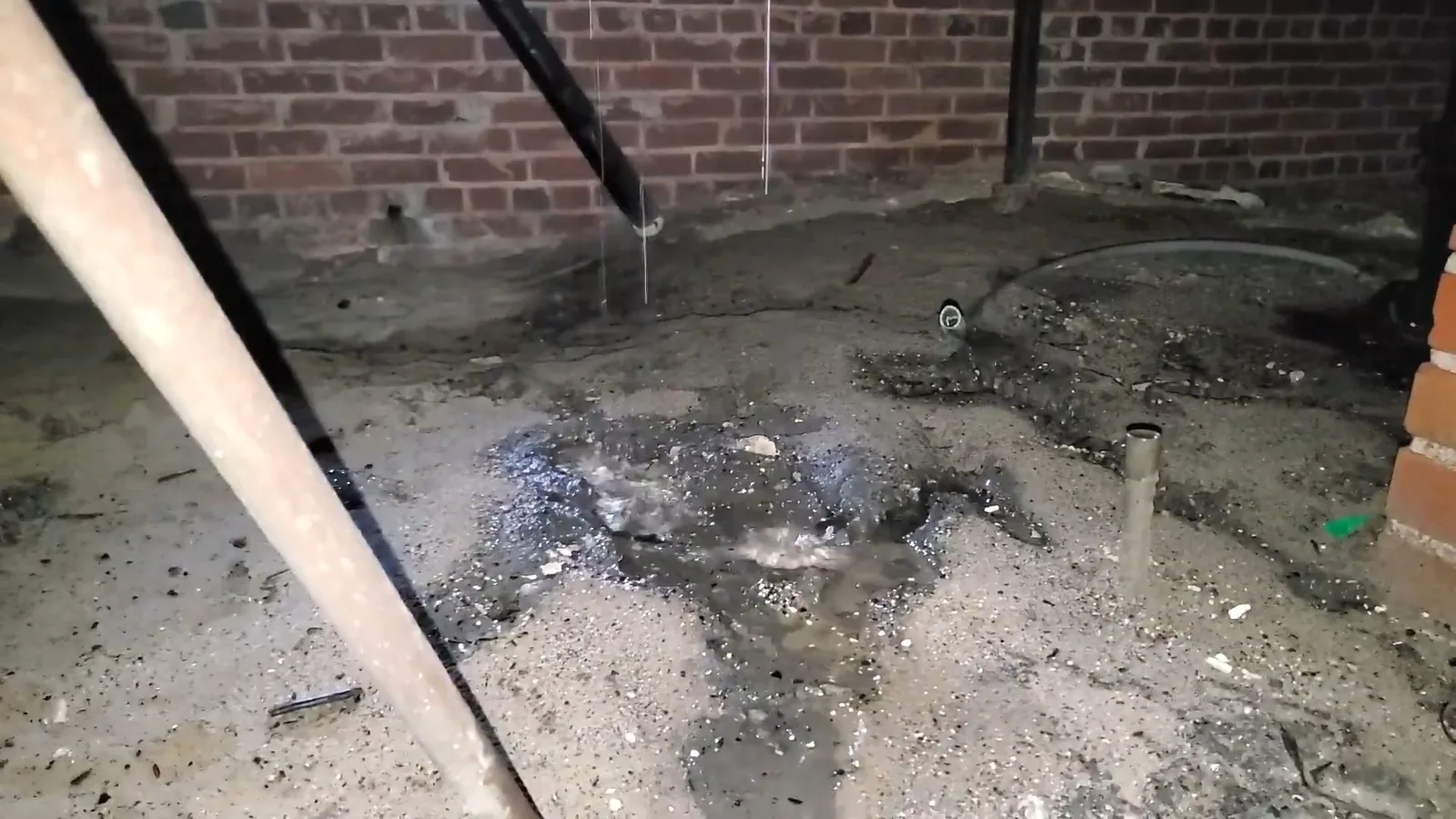
Water that is actively running needs a different response than a stain that appeared overnight. If you can see water spraying, dripping steadily or soaking a ceiling, the first move is to stop it at the source, because every minute of flow adds to the drywall, flooring and cabinetry that will need repair later.
- Close the main shut-off valve. Look near the meter or along an outside wall, and turn the handle clockwise until it stops.
- Open one faucet at the lowest point. That drains the pressure still sitting in the lines and slows any remaining leak.
- Keep clear of wet electrical areas. A ceiling that is bulging or dripping near a light fixture is a reason to call, not to climb a ladder.
- Photograph the water and the meter. Dated photos help the plumber and any insurance conversation that follows.
Once the water is off, repair depends on where the leak sits. A failed fitting or a split flexible supply line is a short job. A pinhole in a copper or PEX run inside a wall means cutting a small access opening, repairing or replacing the section, and leaving the wall ready for patching. A line that has leaked in the same place twice leads to a different conversation, and the plumber may suggest replacing that run instead of patching it again.
| Where you see it | Common cause | Typical repair path |
|---|---|---|
| Under a sink or behind a toilet | Worn supply line, loose compression nut, failed shut-off valve | Replace the part; see faucet and toilet repair |
| Ceiling stain below a bathroom | Failed shower valve, drain connection or supply fitting above | Locate before opening; repair the fitting and dry the cavity |
| Damp patch on a wall | Pinhole in a supply line, loose joint, appliance connection | Pinpoint with listening and moisture tools, then open a small section |
| Wet ground between the meter and the house | Break in the water line that feeds the home | Line repair; see main water line repair |
How do plumbers find a leak behind a wall or under a floor?
The honest answer is that they start with the meter, not the wall. With every fixture and appliance off, a meter that still turns means water is leaving the system somewhere between the meter and the faucets. That test takes minutes and narrows the search before any tool comes out of the truck.
From there, the plumber picks the method that fits the symptom. Acoustic listening picks up the sound a pressurized leak makes in the pipe. Electronic and thermal tools show moisture and temperature differences behind surfaces, and a camera can follow a drain line. For stubborn cases, a helium or pressure test isolates one section of the system at a time: hold pressure on that section, and a falling gauge proves a leak before anyone opens a wall.
Locate first
- Opening is limited to the spot the tools point to
- You get a reason for every hole
- Takes longer up front and leaves less drywall to patch
Open and look
- Quicker only when the cause is obvious
- Guesswork leaves extra patching
- Sensible for visible, accessible fittings
Before the visit, write down when the stain first appeared, whether it changes after the shower or dishwasher runs, and what the meter showed. Those notes often cut a search in half. Ask the plumber which method they plan to use, how many openings to expect, and whether the leak location will be marked and photographed for your records.
Wet spot you cannot explain? Call before it spreads
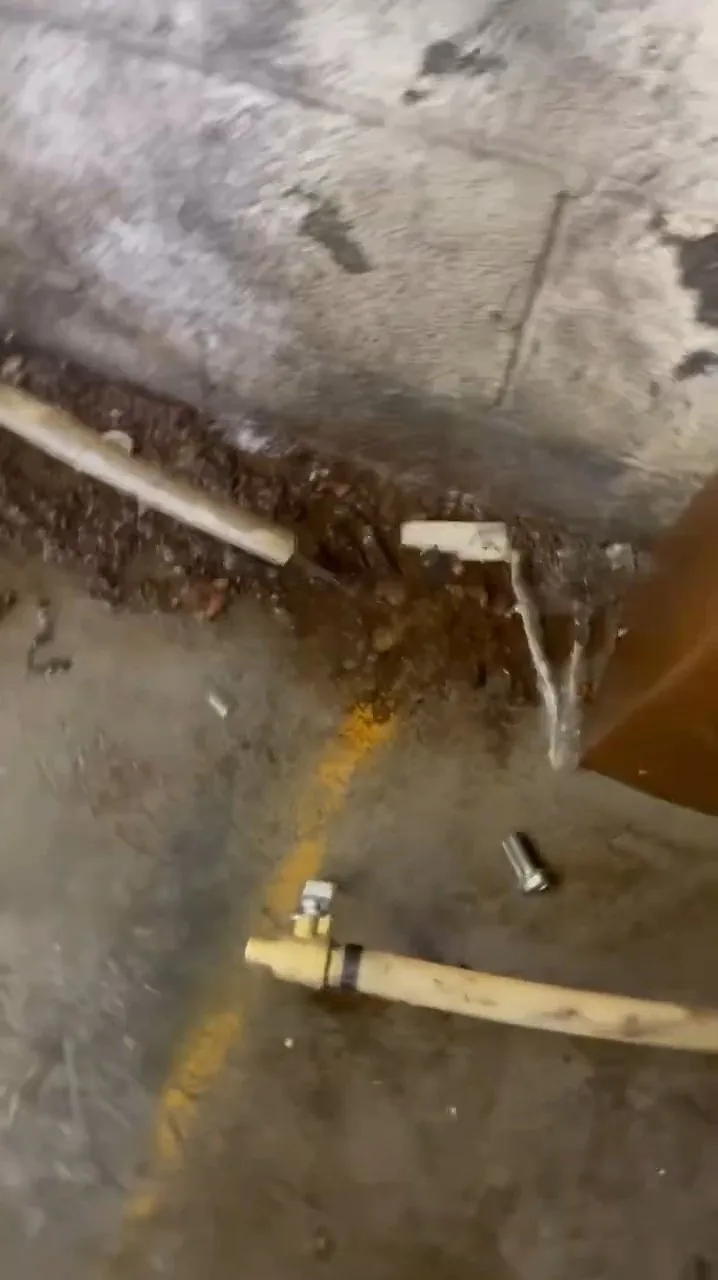
Describe where the water showed up and what the meter is doing. Dispatch will say whether it calls for a visit today or a scheduled slot that suits you.
Ceiling, wall and crawlspace leaks
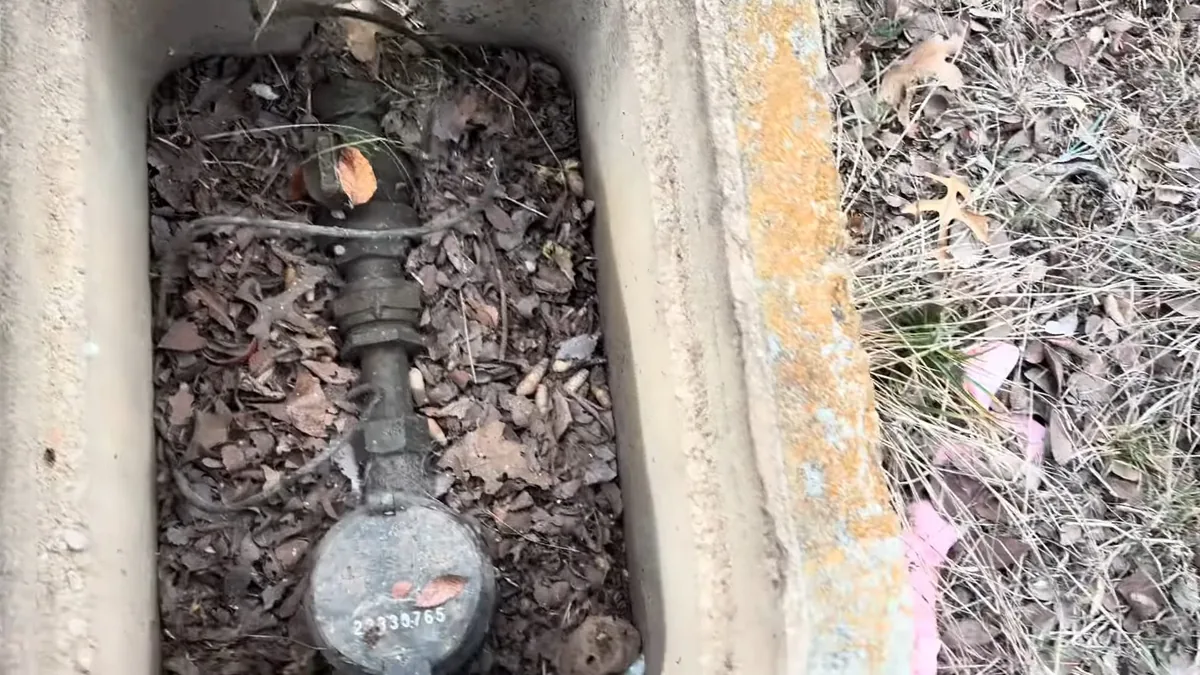
A ceiling stain is a symptom, not a location. Water travels along framing and pipes before it shows, so the wet spot below can sit several feet from the true source. The plumber follows the water uphill: a bathroom above, an air-conditioning condensate line, a roof penetration or a supply line in the attic.
Roof leaks and plumbing leaks look alike on drywall. A stain that appears only after rain points up to the roof, while one that grows on a dry day points to a pipe, a drain or an air conditioner line. A plumber can usually tell the two apart in one visit, and if the roof is the cause, the next call is a roofer.
Walls hide pinholes behind tile and drywall, where a drip can run for weeks before it shows. Where a home has a crawlspace or raised floor, a leak underneath can soak insulation and subfloor out of sight. Whether yours has one is something to confirm first rather than assume: check the original plans if you have them, or ask the plumber to look at access before the visit.
Fixture and appliance leaks that look bigger than they are
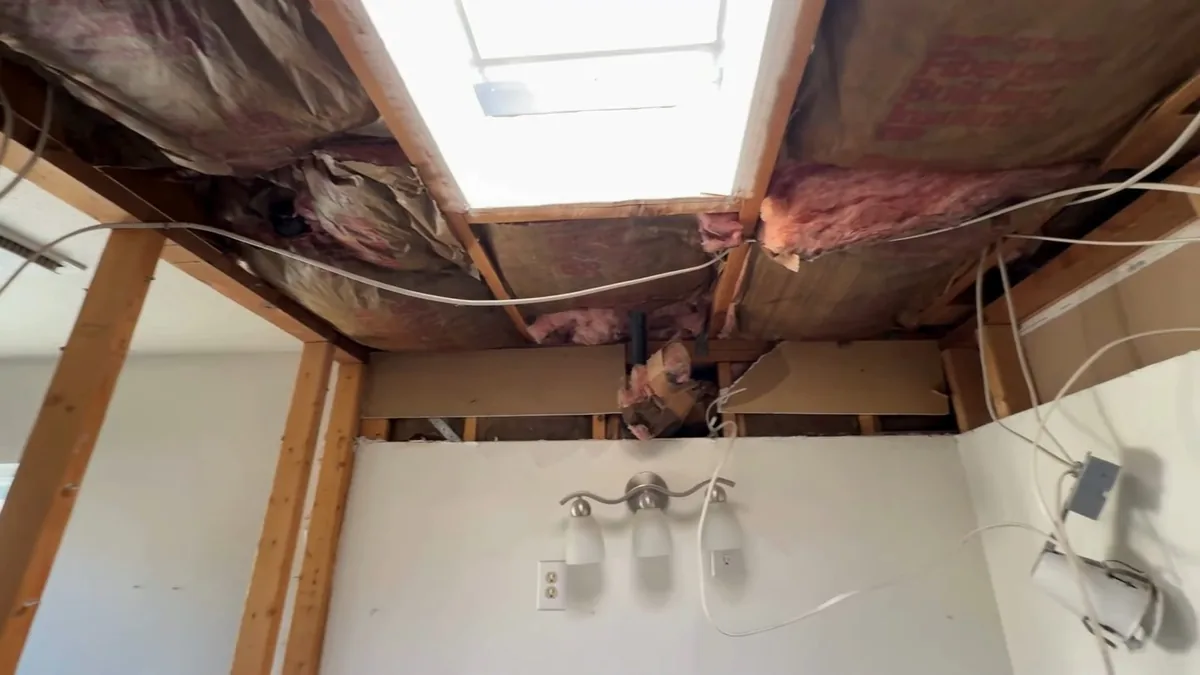
A refrigerator ice-maker line, a dishwasher hose, a washing machine supply and a water heater connection all sit behind or beside something heavy, which is why their leaks flood floors before anyone notices. Toilets leak at the supply, the tank bolts or the wax ring. Faucets leak at the cartridge, the spout base or the connection under the sink.
Most of these are quick repairs once the cause is clear. The decision for you is whether to replace a worn part or the whole fixture. A faucet with several tired parts, or a supply line that has been dripping for months, is often better replaced. The fixture repair page covers that choice in detail.
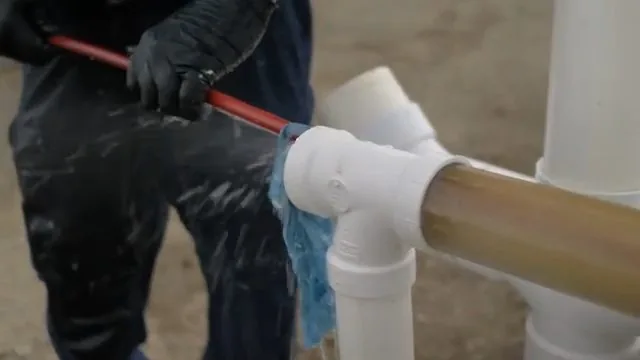
If the leak reached the floor, dry it quickly. Water that sits under laminate, vinyl plank or cabinet bases lifts finishes within days, and the page on water removal and drying explains when professional drying makes sense.
Meter still moving with everything off? Book the search
A leak that is not flooding anything can still cost money every day. Call, share the meter reading and the places you have noticed dampness, and a plumber serving your area can plan the search.
Plumbing inspection, pressure testing and gas-adjacent checks
Some leak calls end with nothing found, and that is a useful result. A plumbing inspection walks the visible lines, checks shut-off valves, supply connections and water heater fittings, and tests static water pressure. The pipe condition check tells you whether the next leak is likely to come from age, a loose joint or a part that is simply worn.
A pressure test of a plumbing line, sometimes called a hydrostatic test, is the tool for proving a suspected leak. The plumber isolates a section, applies pressure and watches a gauge for a drop. The same logic applies to gas piping, where a pressure test is a separate procedure covered on the gas line page. A gas smell is never a leak-detection call: leave the home and call your gas utility first.
Ask for a written note of what was inspected and what was not. If a leak turns out to be repeated pinholes along one run, the conversation moves to replacing the pipe rather than chasing each failure.
Pools, spas and sprinklers: where this page stops
Pools are common enough in Arizona that pool-area leaks come up on plumbing calls. The U.S. Energy Information Administration's 2024 residential survey found Arizona to be one of five states holding more than half of the country's pools. For a plumber, the question is where the leak sits. Water lost from the pool shell itself is pool-specialist work. A leak in the supply or return piping that runs between the equipment pad and the pool, or in a spa or hot tub connection, is plumbing.
A spa that leaked after a remodel, a hot tub with a drip near the equipment, or a pool filling line that never shuts off all start the same way: the plumber confirms whether the loss is in the pipes. If it is in the pool structure or its equipment, you will be told so.
Irrigation and sprinkler leaks are a separate trade. If the wet area is a yard valve or a sprinkler line, an irrigation contractor is the right call.
What Waddell's housing and water add to a leak search
Median build year in the Waddell neighborhood is 2007 per homes.com, which puts original piping in many homes under twenty years old. At that age, leaks tend to come from connections, appliances and fittings more often than from worn-out runs. Older homes toward Sun City, where building began in 1960, present a different list of suspects.
Hardness matters too. EPCOR's 2025 report for the Agua Fria system lists 2 to 17 grains per gallon with seasonal swings. Scale from hard water builds on shut-off valves, supply connections and water heater fittings, and a valve that sticks or weeps is a common leak source. Addresses served by another provider may see different numbers, so check your own report.
Permit rules for larger repairs depend on whether your address is inside the City of Surprise or in unincorporated Maricopa County. Before work that opens walls or replaces a line, check with whichever permit office covers your address, and call Arizona 811 ahead of any digging in the yard.
Sources: homes.com, Waddell neighborhood; EPCOR 2025 water quality reports; U.S. EIA residential energy consumption survey; City of Surprise permits. Accessed 2026-11-09.
After the leak is found: damage, paperwork and the next call
Finding the leak is half the job. If water reached drywall, insulation or flooring, the plumbing repair and the drying are two separate tasks, and the order matters: stop the water, then dry. The page on water damage restoration covers drying, and mold testing where it is warranted.
Try to catch small leaks early, because they are hardest to deal with after months of being ignored. Humidity builds behind a wall long before a stain shows, and structural damage from prolonged leaks starts quietly. Warning signs of hidden leaks include a musty smell, bubbling paint, a leaky faucet that never stops until a plumber can fix it and a meter that creeps with every fixture off. Major water leaks announce themselves, but a ceiling stain that returns after heavy use may be the only clue.
Ask for leak location documentation: photographs, a note of the precise leak location and the process used to find it, whether a meter test, listening or an infrared camera. A written leak history for the house, with dates and repairs, helps the next plumber. If the search points to the concrete floor, the slab leak page covers that case, and a sewer camera inspection before repairs is described on the sewer line page.
Leak detection and shutoffs go together: before the search begins, the plumber should show you where each shutoff valve is, since a leak that is detected at night may need the water off until morning. A hidden leak can also mean reduced pressure at the fixtures. Locators and thermal imaging narrow the search, and once a leak is found and fixed, ask what appliance leak cleanup is needed and whether yearly plumbing maintenance and inspections are worth scheduling.
Keep the plumber's note on where the leak was, photographs of the damage, and receipts for repairs. Check how your homeowner policy treats a sudden leak compared with long-term seepage before you call your insurer, because the wording differs between policies. Rental tenants should report the leak in writing to the landlord or property manager the same day.
Commercial properties follow the same steps with a different set of stakeholders, and the commercial plumbing page covers shops, offices and multifamily buildings. For nights, weekends and holidays, the 24/7 emergency plumber line answers at any hour.
Leak detection questions homeowners ask
What should I do about a leaking water pipe?
Water on the floor or dripping from a ceiling means one thing first: close the main shut-off valve. Then open the lowest faucet to drain remaining pressure, move belongings away from the wet area and take photographs before anything is cleaned up.
Leaks come from worn fittings, pinholes in aging pipe, loose connections and failed supply lines. A plumber decides which by locating the leak before opening anything, so call as soon as the water is off.
Is the leak on my side of the meter or the water provider's?
The meter is the dividing line in most cases. Water surfacing on the street side points to the provider's line, and your provider's customer line is the right call. Water surfacing between the meter and the house points to the line that serves your home, which is yours to repair.
If you are unsure, close the main valve and watch the meter. A dial that still turns with the valve closed suggests the leak sits on the provider's side. Confirm with your provider, since responsibility can differ by address.
My refrigerator water line leaked onto the kitchen floor. What now?
Shut off the line at the valve behind the refrigerator or at the main, pull the appliance out if it is safe to do so, and dry the floor and cabinet bases quickly. A plumber replaces the line or valve and checks the connection that failed. If the floor already feels soft or has lifted, ask about drying before new flooring goes down.
Does a leak detection visit mean cutting into my walls?
In the Waddell neighborhood the median home was built in 2007, so original piping is usually under twenty years old, and many leaks sit at connections and fittings where access is limited. A plumber starts with the meter, listening tools and pressure checks, which usually narrow the search to a small area before anything is cut.
Ask beforehand how many openings are likely and who patches the drywall, since patching and paint are often a separate trade.
Leak in a Waddell home? Dispatch is answering
Call, say where you saw the water and what the meter shows, and get the next step. Dispatch answers around the clock, including weekends and holidays.
- Licensed and insured plumbers
- Same-day service when available
- 24/7 emergency dispatch