
24/7 Emergency Line Open
Emergency Water Damage Restoration in Waddell, AZ: Water Removal, Drying and Mold Work
Many people think a wet floor is finished once the surface looks dry. Water keeps moving into drywall, baseboards and the padding under carpet for a day or two, and that hidden moisture is what turns into mold. The fast steps are removing standing water, finding the source and drying the structure.
This page covers water removal and drying after a leak, a burst pipe, a failed appliance line or a sewage backup, plus mold testing and mold removal. Smoke and soot cleanup is a different trade, and rebuilding walls and floors comes after the drying is done.
- Licensed and insured plumbers
- Same-day service when available
- 24/7 emergency dispatch
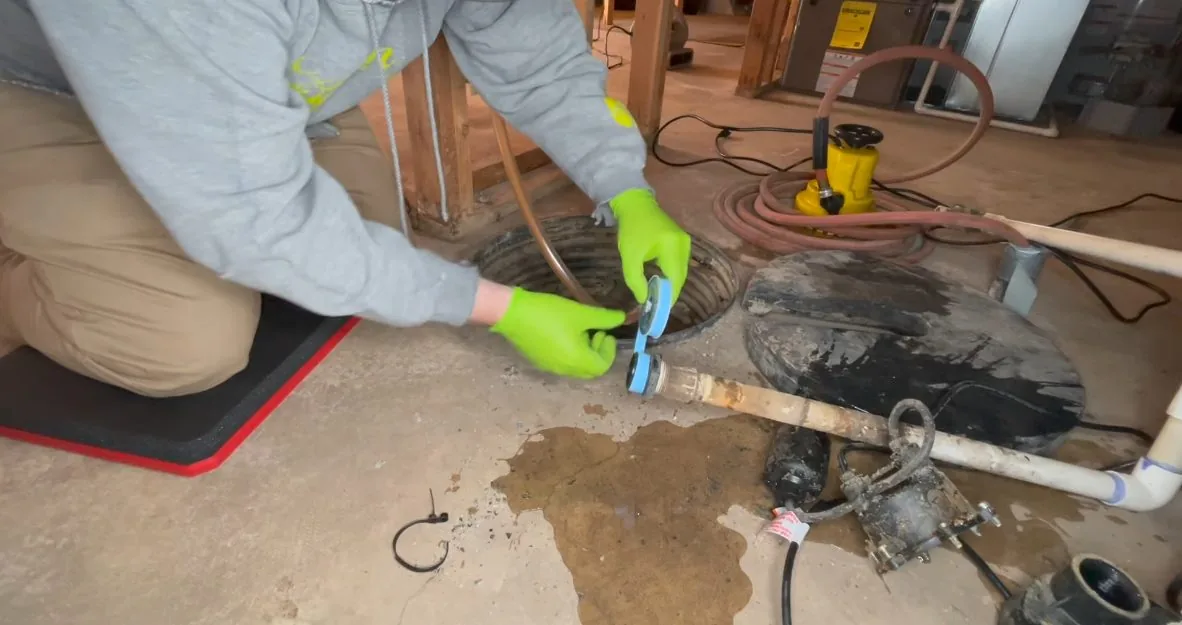
Mold testing and inspection after a leak
Mold needs moisture, and a leak that was never dried is the usual starting point. A musty smell under a sink, a stain that returns after painting or a patch of soft drywall are reasons to look closer. A plumber can check the plumbing side first, since an active leak will keep feeding any growth.
Testing means different things. A visual inspection looks at walls, ceilings, cabinets and flooring for staining and growth. A moisture meter reads how wet a surface still is. Air or surface sampling goes to a lab and reports what is present, and that report is what an insurer or a condo association often asks for.
Testing does not fix anything on its own. If results show growth, the next step is removal, and the leak that caused it has to be repaired first. Ask who will do the testing, what the report will cover and how the result will be used before you pay for a sample.
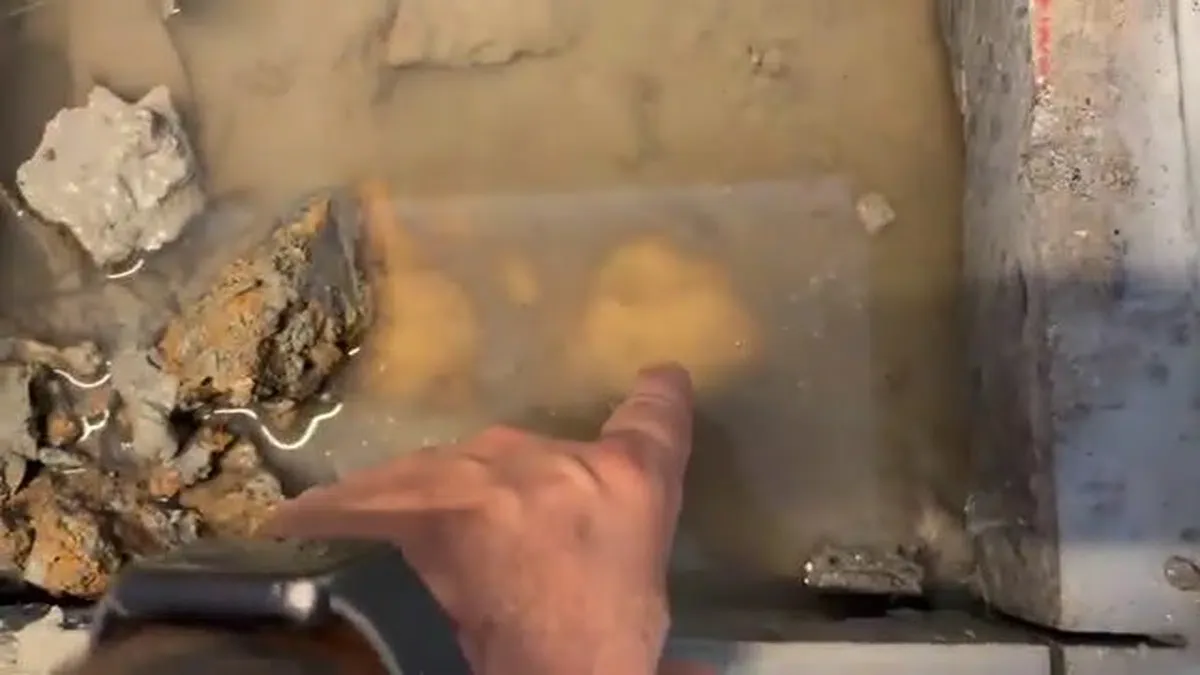
Remove mold after water damage
Mold removal is the physical work of taking affected material out and cleaning what can stay. Porous items such as drywall, insulation and carpet pad that have grown mold are usually cut out and bagged. Hard surfaces such as framing can often be cleaned and dried instead.
Mold remediation is the formal term for this process. The overview is short: contain the area, remove affected porous material, clean and dry what stays and confirm a dry moisture reading before anything is rebuilt. A kitchen cabinet base or a wood subfloor that stayed wet is a frequent starting point.
The work is contained so that spores do not spread through the house. Plastic sheeting seals the area, air movers and air scrubbers manage airflow and workers wear protective gear. Do not run the home's air system while mold work is underway, since ducts can carry spores into other rooms.
Cleaning products alone rarely solve the problem if the area stays damp. Mold returns when moisture returns, so the plumbing repair and the drying come first. Stopping the water is the plumber's part, and removal starts only after the structure is repaired and dry.
Water damage that is already behind a wall or under a cabinet often shows up first as an odor rather than a stain. If you notice a damp smell and cannot find the source, say so when you call.
What happens on a water damage job
A job usually moves through the same steps. The first is stopping the source: shutting off the water at the main, the fixture or the appliance. The second is a quick survey of which rooms, floors and walls got wet and what kind of water it was.
The industry calls the first phase water mitigation: stopping the loss, removing water and starting to dry before more material is affected. Immediate assistance matters because uncontrolled water damage reaches new materials every hour, and a major loss at an unattended home can run for days before anyone notices.
Residential jobs and small commercial jobs follow the same steps. For a leak that began at the water heater, the water heater repair page explains the repair side, and the emergency plumbing section of the homepage covers urgent calls.
Next comes extraction, followed by drying. Standing water is pumped or vacuumed out, wet carpet and pad are lifted where needed and air movers and dehumidifiers go in. Readings are taken again over the next days, and the equipment stays until the structure reads dry.
Last is the documentation, which is useful if you file an insurance claim. Photos, moisture readings and notes on what was removed all help. If walls or floors need rebuilding after the drying, that is a separate step, usually done by a general contractor.
Water damage line: call (623) 526-3151 for water damage restoration questions. For a leak that is still running, shut off the water first.
Water on the floor right now? Call a plumber
Mention the source of the leak and how far the water has spread. Dispatch can send a plumber to stop the source and arrange extraction.
Water extraction and removal from floors and walls
Water extraction is the first step in drying a home. A truck-mounted or portable extractor pulls standing water from tile, hardwood and carpet, and a wet vacuum works on smaller areas. Speed matters, because water spreads through baseboards and into the wall cavity.
A kitchen floor beside the dishwasher and a bathroom beside the tub are the two spots where wood and laminate flooring first absorb a slow leak. An unpleasant odor from a closed cabinet or a closet is often the first sign that materials stayed wet.
Carpet and pad often need different treatment. The carpet can sometimes be lifted, dried and put back, but the pad underneath holds water like a sponge and is usually replaced. Hardwood may cup or buckle when it absorbs moisture, and drying mats can pull water out of boards that are still sound.
Air movers push dry air across surfaces, and dehumidifiers pull moisture out of the air so that it cannot soak back in. Drying equipment is placed by moisture readings, not by guesswork, and it needs to run continuously. Turn off ceiling fans and keep the home closed while it works.
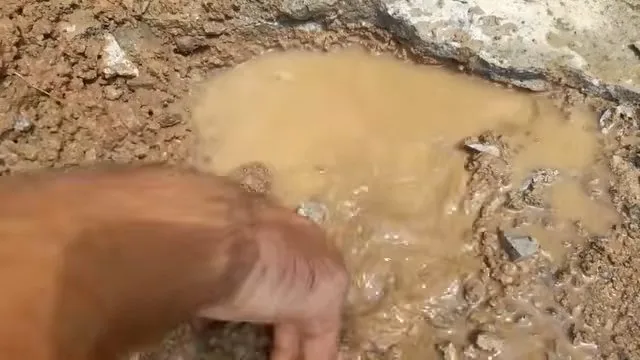
Flooded closet, crawl space or whole-house flooding
Small floods often start small. A water heater closet that fills when the tank fails, a washer valve that lets go or an irrigation line that breaks against an outside wall can each put an inch of water through a home in minutes. Shutting off the main is the quickest way to stop it.
Monsoon storms bring water too, though water standing in a yard is not a plumbing leak, and a plumber cannot fix it. If water enters the house from outside, extraction and drying still apply, and a plumber can check that interior lines are not also leaking.
A closet can flood from a water heater, a washer valve or an air conditioner unit drain. An irrigation backflow assembly that breaks can push water into a crawl space, and a sprinkler that sprays a wall can soak the carpet and pad on the other side. After a long leak a collapsed ceiling needs extraction before anything else, and air mover and dehumidifier rental is an option for a small wet area.
Basement waterproofing and foundation inspection are separate trades, and a plumber's first job is to confirm that the water is not coming from a supply or drain line. Storm, river and rain flooding is outside plumbing, though the interior still needs extraction and drying afterward.
For a leak under the slab or in a wall, locating the source comes first. Hidden leaks are tracked down as described on the page on leak detection, and the slab leak information page covers leaks under the foundation.
Homes with a crawl space or lower level need a check there too, since water collects out of sight. Ask the plumber to look in every low spot before drying starts.
Water damage assessment: how far did it spread?
Water travels farther than it appears. It follows pipe chases, wicks up drywall and runs along framing to rooms that look dry. An assessment uses a moisture meter and sometimes a thermal camera to map the wet area before anything is removed.
Understanding the extent of the damage also helps you compare quotes, since a provider who has not measured the wet area cannot price the drying accurately. Ask for the moisture map, the water category and the planned equipment in writing.
The category of water matters. Clean water from a supply line is the lowest concern. Water from an appliance drain or a dishwasher carries more, and sewage backup is the most serious. The category decides which materials can be dried and which must be removed.
A good assessment ends with a written scope: which rooms are affected, what will be dried, what will be removed and how long the equipment is expected to run. That document also helps with claims. If a property has been vacant, the assessment is even more useful, since damage can run for weeks unseen.
Pipe burst or ceiling dripping? Call for a plumber
Name the source of the water and whether it is still running. A plumber can shut it down and set up the next steps.
Sewage backup cleanup
A sewage backup is a health issue as well as a plumbing problem. The water carries bacteria and should not be handled with bare hands. Keep children and pets away, avoid running water elsewhere in the house and call a plumber to clear the line first.
Cleanup follows the repair. Porous materials that sewage has soaked, such as carpet, pad and drywall, are removed. Hard surfaces are cleaned and disinfected, and the area is dried. The cause matters, so the page on sewer line explains how a plumber finds a damaged or blocked line, and the page on drain clearing covers clogs.
Sewage cleanup is not a do-it-yourself job in most cases. If the backup came from the main line, the water may keep returning until the blockage is gone.
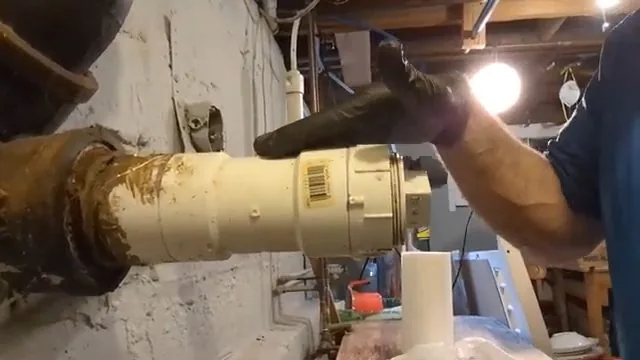
Burst pipe and plumbing leak damage
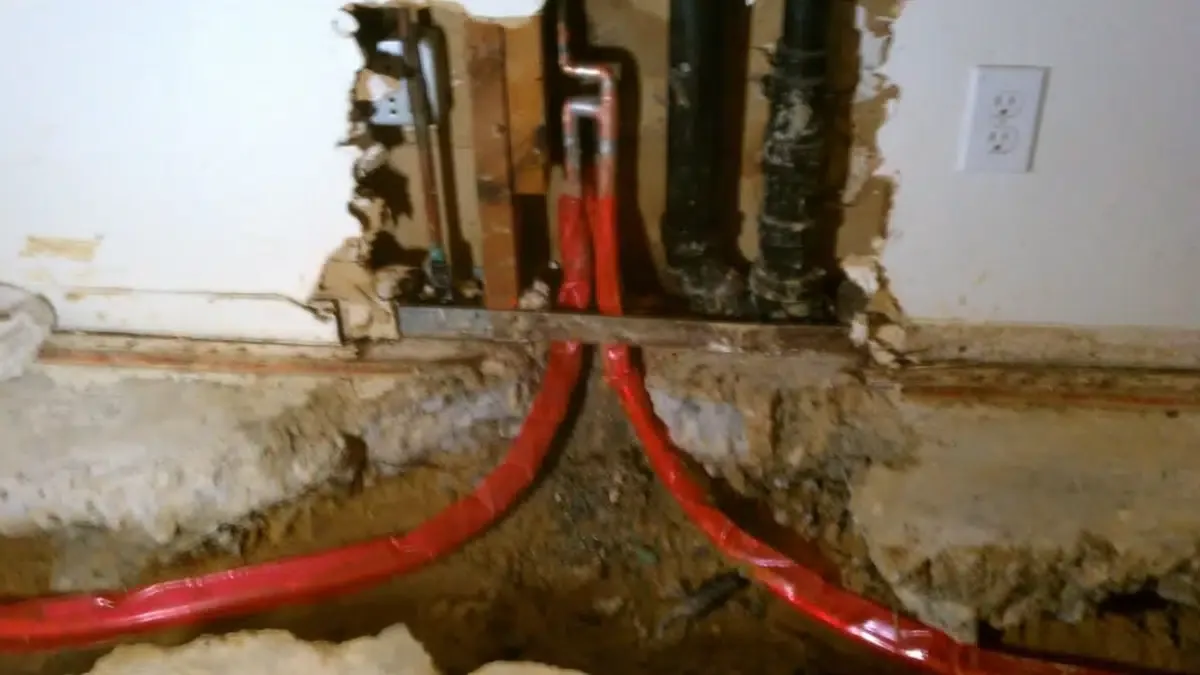
A burst or failed pipe can release a large volume of water in a short time. Shut off the water at the main, open a faucet at the lowest point to drain the line and, if you can do it safely, switch off power to wet areas. Then call for a plumber.
Repairs depend on the pipe. A single failure in an old line may be fixed with a section replaced, while repeated failures often point to a bigger problem. The repiping information page describes when replacing the lines makes more sense than patching, and the water line page covers the line from the street.
A leaky roof or a leaky air conditioner drain pan produces the same stains as a plumbing leak, so the cause is confirmed before any plumbing is opened. Coverage for each source differs by policy, and the insurer will ask what caused the loss.
Leaks from sources other than plumbing also cause damage. A roof leak, an air conditioner drain overflow or a broken irrigation line can soak walls and ceilings, and each needs its own repair. A plumber can rule plumbing in or out so that you know who to call next.
Insurance claims, flooring and larger jobs
Insurance claims go more smoothly with records. Take photos before anything is moved, keep receipts for emergency work and ask for moisture readings and a written scope. Policies differ on what they cover, so check with your insurer on sudden pipe failures versus slow leaks.
Flooring needs its own decision. Tile is usually fine once dried, laminate and engineered boards often swell and need replacing and carpet depends on how long it stayed wet. A drying crew can tell you which is worth saving.
Condos, apartments and commercial spaces follow the same steps, with added coordination with the owner or association. For a business, the business plumbing service page describes the larger systems a plumber works on.
Water damage questions answered
How fast does mold start growing after a leak?
Mold can begin to grow within a couple of days when a material stays wet and warm. A leak that was dried quickly rarely causes trouble, and one that stays damp behind a wall or under a cabinet often does.
If you notice a musty smell, test the area with a moisture meter or ask a plumber to check for a hidden leak.
Do I need to rent air movers and a dehumidifier after a flood?
Drying equipment is used whenever a structure has absorbed water, and the amount needed depends on how much got wet. A small spill on tile may only need a towel and a fan.
For wet carpet, walls or subfloor, air movers and a dehumidifier are the usual tools, and readings should confirm when the structure is dry.
Is a ceiling leak a plumbing problem or a roof problem?
Narrow it down: 1. Note whether the stain appears only after rain. 2. Check whether the stain is under a bathroom or the air handler. 3. Look for drips from an upstairs supply line. 4. Run the upstairs water and watch the stain.
A stain that grows after rain points to the roof, and one that grows with water use points to plumbing. A plumber can check the plumbing side.
Water damage in Waddell? Call and get a plumber started
Tell dispatch what happened and which rooms are wet. A plumber can stop the source, and extraction and drying can follow.
- Licensed and insured plumbers
- Same-day service when available
- 24/7 emergency dispatch