
24/7 Emergency Line Open
Emergency Gas Line Repair in Waddell, AZ: Gas Smells, New Appliance Hookups and Pipe Replacement
Gas line work is a safety job first. If you smell gas right now, leave the building, keep clear of switches and flames, and call your gas utility's emergency number or 911 from outside. Come back to this page once everyone is safe.
Gas line service covers fixing leaks and damaged piping, running a new line for a range, dryer, grill, fireplace or generator, and replacing worn sections of pipe. A plumber serving your area locates the problem, tests the line and explains the repair before work starts.
- Licensed and insured plumbers
- Same-day service when available
- 24/7 emergency dispatch
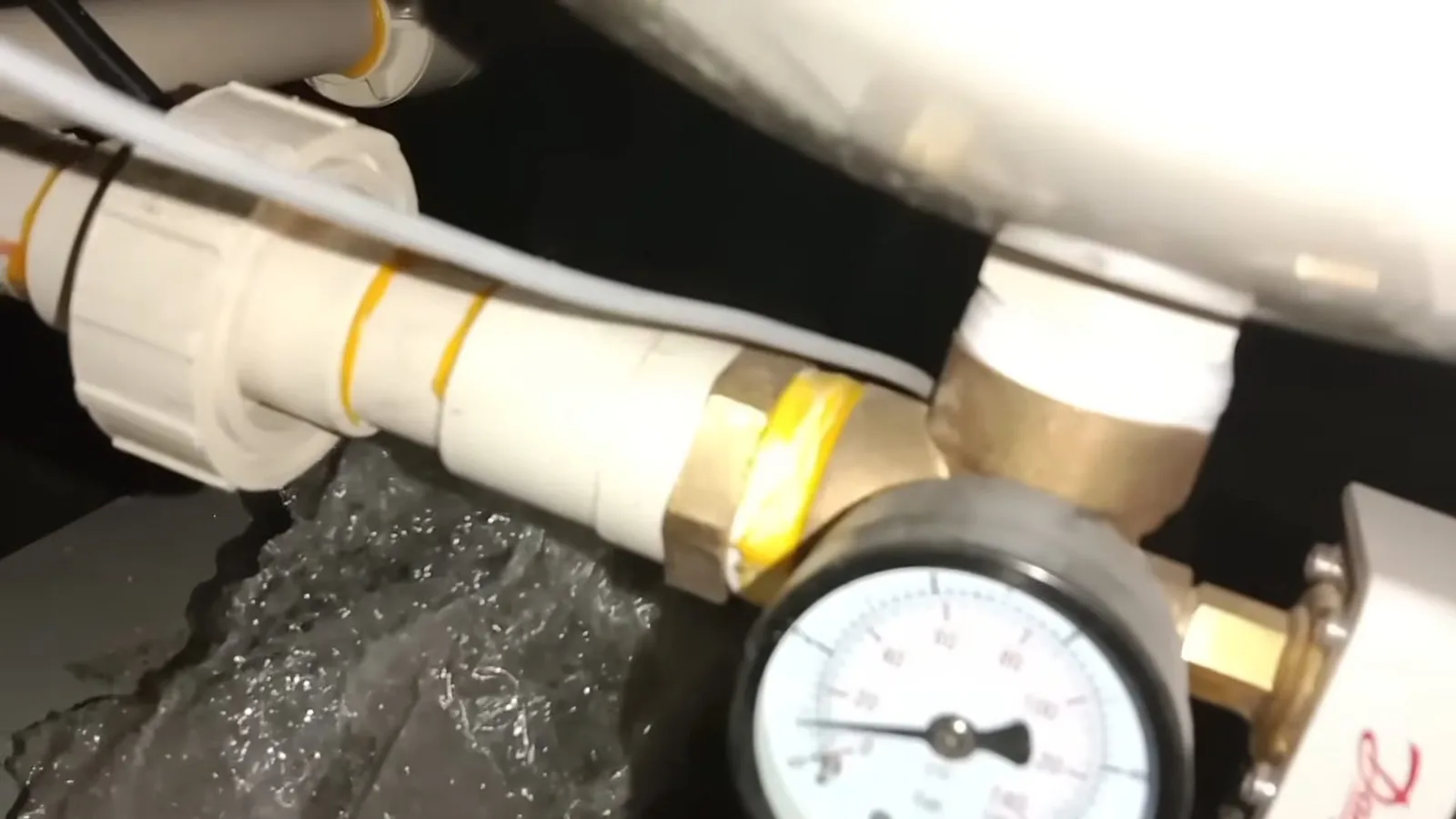
Smell gas? Leave first, then make the call
Natural gas has an added odor so that leaks are easy to notice, and the odor is usually described as rotten eggs or sulfur. A strong smell indoors, a hissing sound near a pipe or an appliance, dead patches of grass over a buried line or a dizzy, nauseous feeling are all reasons to treat the situation as urgent.
- Get everyone out. Leave doors open if you can do it without delay, and take pets along.
- Skip the switches. Do not flip lights, use a phone inside, start an engine in a closed garage or strike a match.
- Call from outside. Use your gas utility's emergency line or 911.
- Wait for the all-clear. The utility or the fire department decides when it is safe to go back in.
A plumber becomes the right call once the area is safe and the utility has shut off the supply or confirmed there is no active leak. The plumber then finds the source inside the property, repairs it and pressure tests the line before the gas is turned back on.
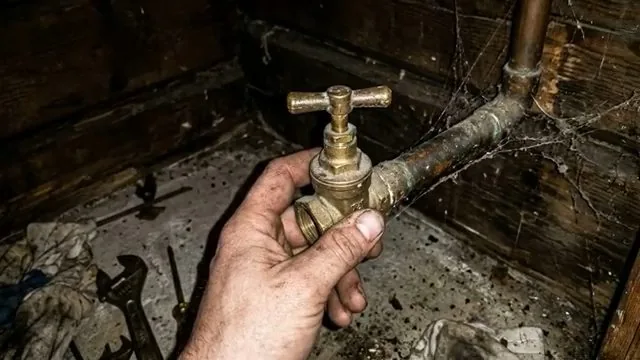
Can a new gas line be added for a range, dryer, grill or generator?
Usually yes, if the house has gas service and the existing line can carry the extra load. The plumber measures the run from the meter or an existing branch, checks the pipe size against the total demand of every appliance and plans a route that avoids hazards. A branch for an outdoor grill or a generator is a common request.
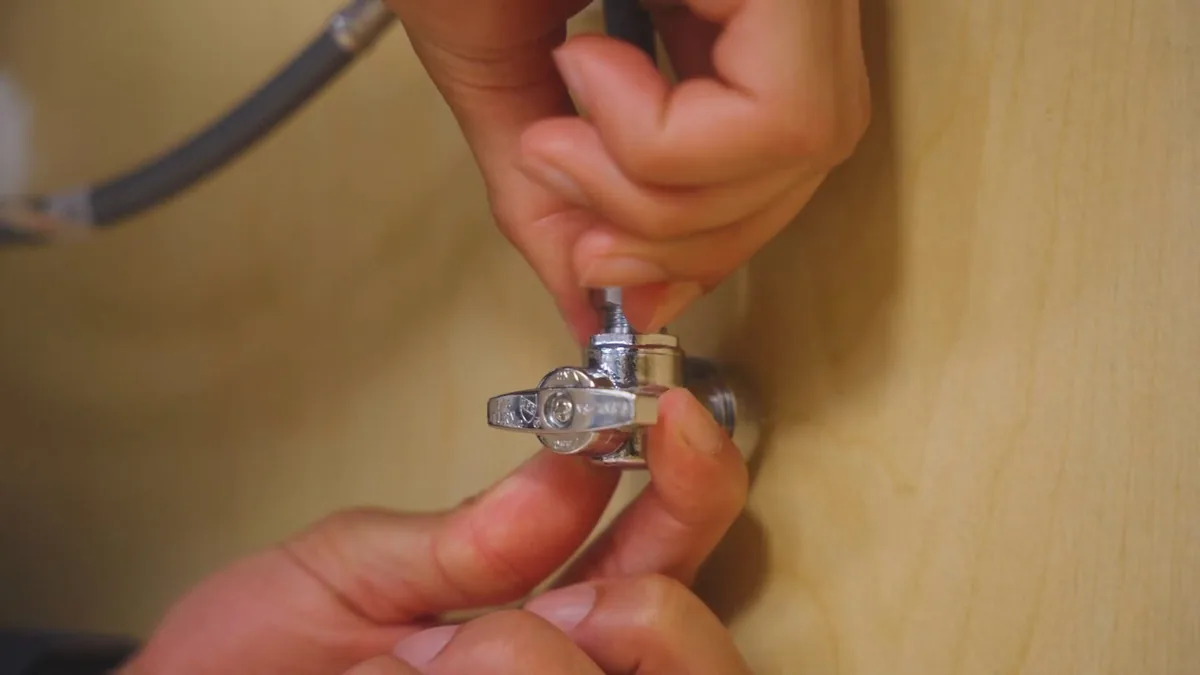
Appliance hookups come in a few types. A range or a cooktop needs a shutoff valve and a flexible connector. A dryer needs a similar connection, and a fireplace or a firepit needs a line sized to the burner. A standby generator needs a larger line that can feed it at full load, which a plumber should size before ordering equipment.
Permits generally apply to new gas piping, and the office depends on the address. Some Waddell addresses are inside the City of Surprise and others fall under Maricopa County, so ask the plumber which office was contacted and who files. Arizona 811 should be called before any trenching for a buried gas line.
A water heater is one of the largest gas appliances in a home, and a gas model that is being replaced may need its line checked. The water heater installation page covers that side of the job.
Adding a range, dryer or grill line? Ask for a sizing check
List every gas appliance and where each sits. Dispatch can book a plumber to measure the run and size the pipe.
Gas line repair: leaks, corroded fittings and damaged piping
Gas leaks show up at joints, at appliance connections and in pipe that has corroded or been struck. The plumber finds them with a combustible gas detector and a leak-detecting solution that bubbles at the leak, then repairs or replaces the faulty part. Never test for a leak with a flame.
Gas leak detection starts with a combustible gas detector or a pressure test, and the fixtures on the line, such as the range, dryer and water heater connections, are checked first. Signs of a gas leak include a hissing sound at a pipe or a dead patch of grass over a buried line, and any suspected leak is handled as urgent.
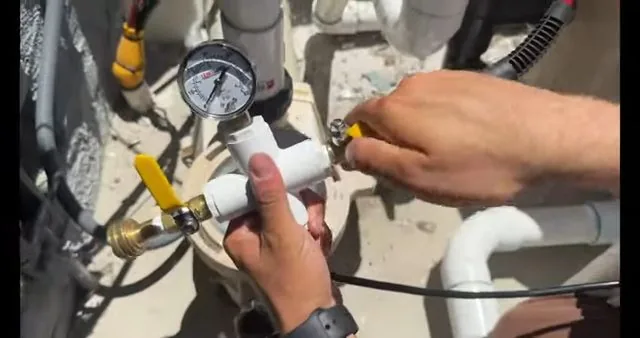
After any repair, a pressure test confirms that the line holds. The plumber seals the piping, brings it up to a test pressure, watches a gauge for any drop and restores gas to the appliances only after it holds. Ask for the test reading, since it is the plain evidence that the work is sound.
- Ask what was found and where, in plain terms
- Ask whether a pressure test was done and what the result was
- Ask whether every appliance was relit and checked
- Ask for a note of the repair for your records
Pilot lights going out or a burner that will not stay lit? Call
Say which appliance acts up and whether the gas utility has been out. A plumber can decide whether the line or the appliance is the cause.
Replacing gas pipe: black iron, CSST and when old sections give out
Two types of gas piping are common inside homes. Black iron is rigid threaded steel pipe, joined with fittings. Corrugated stainless steel tubing, known as CSST, is a flexible stainless line that is easier to route through walls and attics. Each has installation rules, and CSST in particular calls for correct bonding.
Once the gas is off and everyone is safe, the homepage covers emergency plumber service for plumbing problems that cannot wait.
Replacement is called for when a pipe is corroded, damaged or no longer large enough for the appliances on it. A plumber should identify the material, explain what failed and describe the new run, including where each connection will be and how the line will be supported and protected.
Arizona is not a heavy gas-heating state. The U.S. Energy Information Administration's 2009 survey found that 58 percent of Arizona households heat with electricity, which means many homes have little gas piping, and some have none. Replacement work therefore usually concerns a water heater, range or dryer line.
A gas line is separate from the home's water and drain piping, though the same plumber may work on all three. If a repair opens a wall, the repiping page describes what to expect from pipe replacement in general.
Does your home have natural gas, propane or neither?
Before planning any gas work, confirm what the house actually has. Some homes are connected to a utility gas main, some use a propane tank and some are all-electric. The meter, a tank in the yard or the bill from a gas company will tell you quickly, and a plumber can confirm during the first visit.
Propane systems follow different rules from utility gas. The tank, the regulator and the line pressure are set differently, so tell the plumber at the start if the house runs on propane. A line sized for natural gas is not automatically right for propane.
Inspection and pressure testing are useful when a home is bought or when appliances change. A plumber can test the existing gas piping for leaks, check the connections and report the findings, which gives you a baseline before new gas appliances are added.
Sources: U.S. EIA, Arizona residential energy consumption brief (2009); City of Surprise permits; Arizona 811. Accessed 2026-11-09.
Gas line questions answered
What should I do if I smell gas outside my house?
Two options exist, and the choice depends on the strength of the smell. Call 911 when the smell is strong, you can hear hissing or anyone feels unwell. Call your gas utility's emergency line when the smell is faint and no one is affected.
In both cases, stay outside, keep away from switches and flames and wait for responders. A plumber can follow up on any piping inside the property once the utility has cleared the area.
Who runs gas lines in a house?
A licensed plumber or a licensed gas fitter runs gas lines inside a house, and the gas utility handles the line up to and including the meter.
Because the dividing point depends on the provider, ask the utility where its responsibility ends before arranging work on the piping.
When does gas pipe need to be replaced?
The Energy Information Administration's 2009 survey found 58 percent of Arizona households heat with electricity, so many local homes have limited gas piping, often just to a water heater, range or dryer.
Replacement is called for when a pipe is corroded, struck or too small for new equipment. A plumber identifies the material, explains the failure and lays out the new run, and a pressure test confirms the finished work.
How do I know whether a gas leak is serious?
Treat it as serious if: 1. The smell is strong. 2. You hear hissing. 3. Anyone feels dizzy or nauseous. 4. A pilot light or burner will not stay lit. 5. Plants near a buried line have died for no clear reason.
One caution: even a faint smell is worth a call to your gas utility, because small leaks can become large ones. Never test for a leak with a flame.
Gas piping problem in Waddell? Call once everyone is safe
Say what you smelled, heard or saw, and whether the utility has been called. A plumber can book the repair or the new line.
- Licensed and insured plumbers
- Same-day service when available
- 24/7 emergency dispatch